Two Weeks in India
Avoid the crowds and the tourist traps and see the wonders of India
Where to go
The Golden Triangle
The Golden Triangle is a ~720 km tourist circuit in North India connecting New Delhi, Agra, and Jaipur, forming a triangle on the map. We spent 7 days seeing the highlights as well as visiting some off-the-beaten-path sites like the Tiger reserve at Ranthambore National Park.
Rishikesh
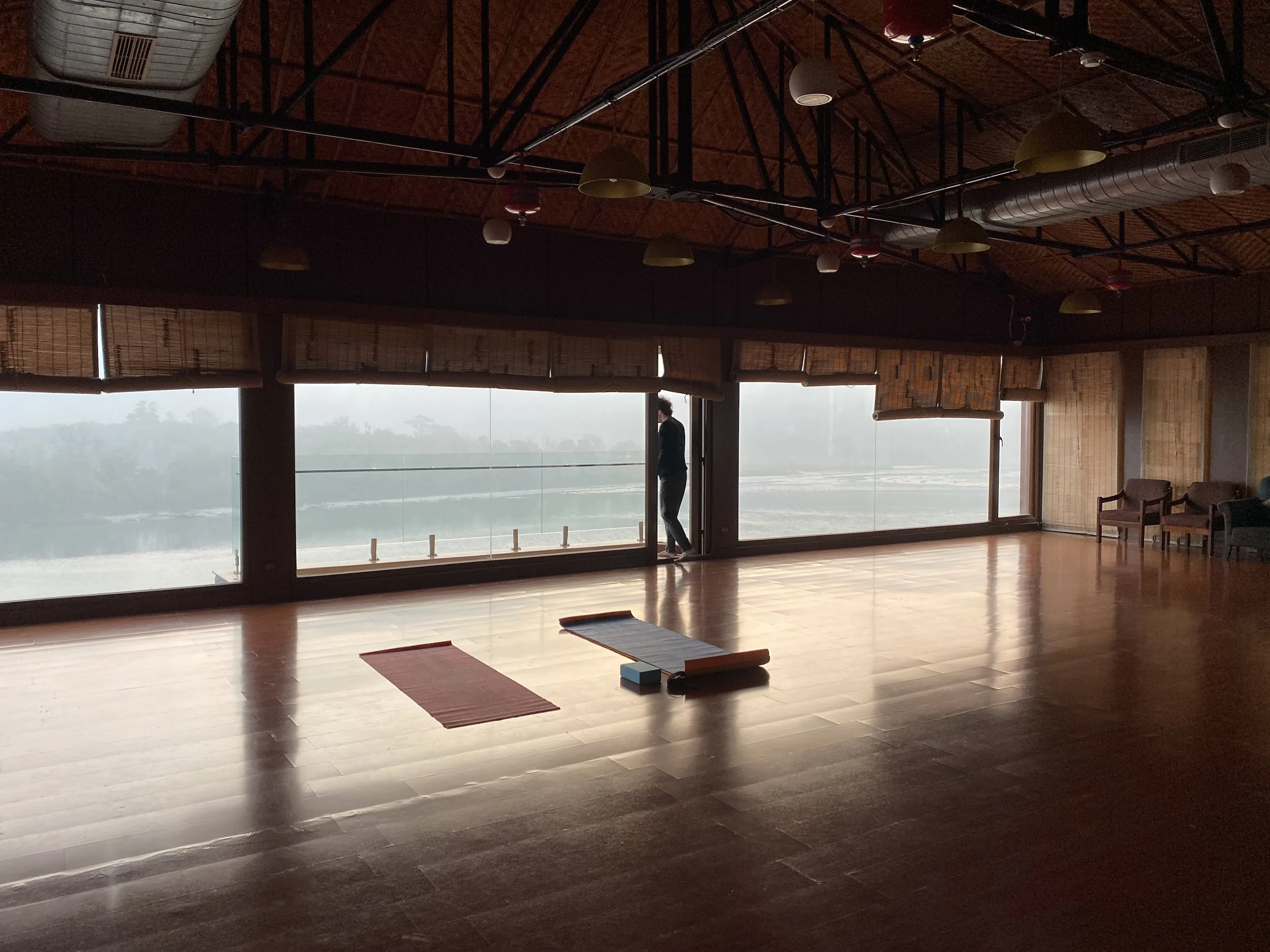
Coming from the Golden Triangle's forts and palaces, Rishikesh is where the trip's pace changes. Mornings built around a mat instead of a monument, evenings built around a river ceremony instead of a market.
Mumbai
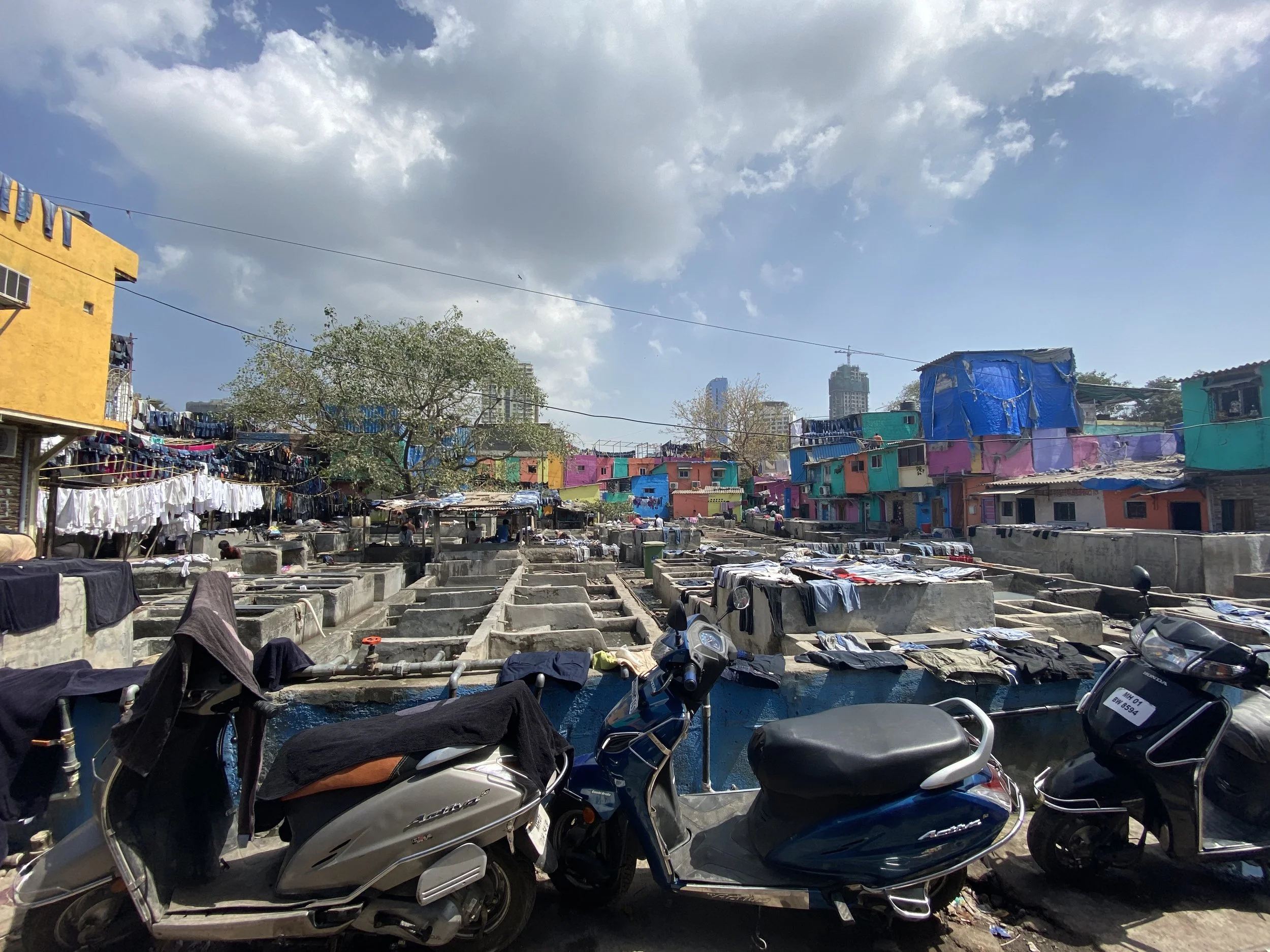
Mumbai is the largest, most densely populated city in India. The juxtaposition between the rich and Bollywood famous, and the city’s infamous slums isn’t hard to miss. The food and bar scene is worth the visit alone.

The Golden Triangle & Ranthambore: Delhi, Agra, Ranthambore & Jaipur
6-7 Days
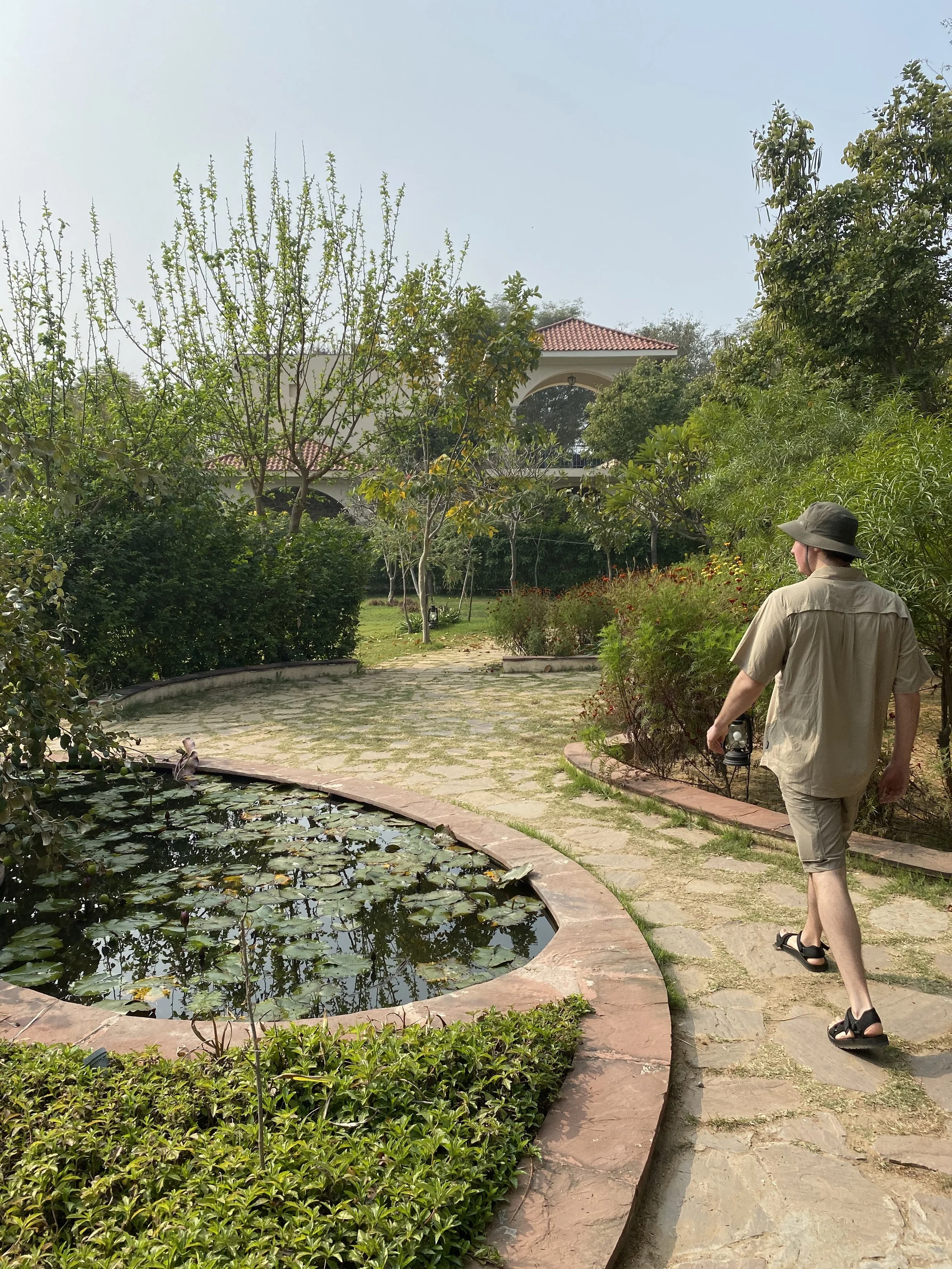
Landing in Delhi, you immediately enter the chaos that is India, honking through roads shared with wandering cows, dodging tuk-tuks the entire way. It's the kind of arrival that resets your expectations fast: this leg of the trip is a crash course in Mughal history, Rajput architecture, and a version of hospitality that takes some getting used to (having someone spoon food onto your plate at dinner is not something we were prepared for). Over the course of this route — Delhi to Agra to Ranthambore to Jaipur — we went from imperial capital, to the world's most famous mausoleum, to the wild edge of a tiger reserve, to the pink sandstone palaces of Rajasthan. It's called the Golden Triangle for a reason: each corner feels like a completely different India.
Delhi
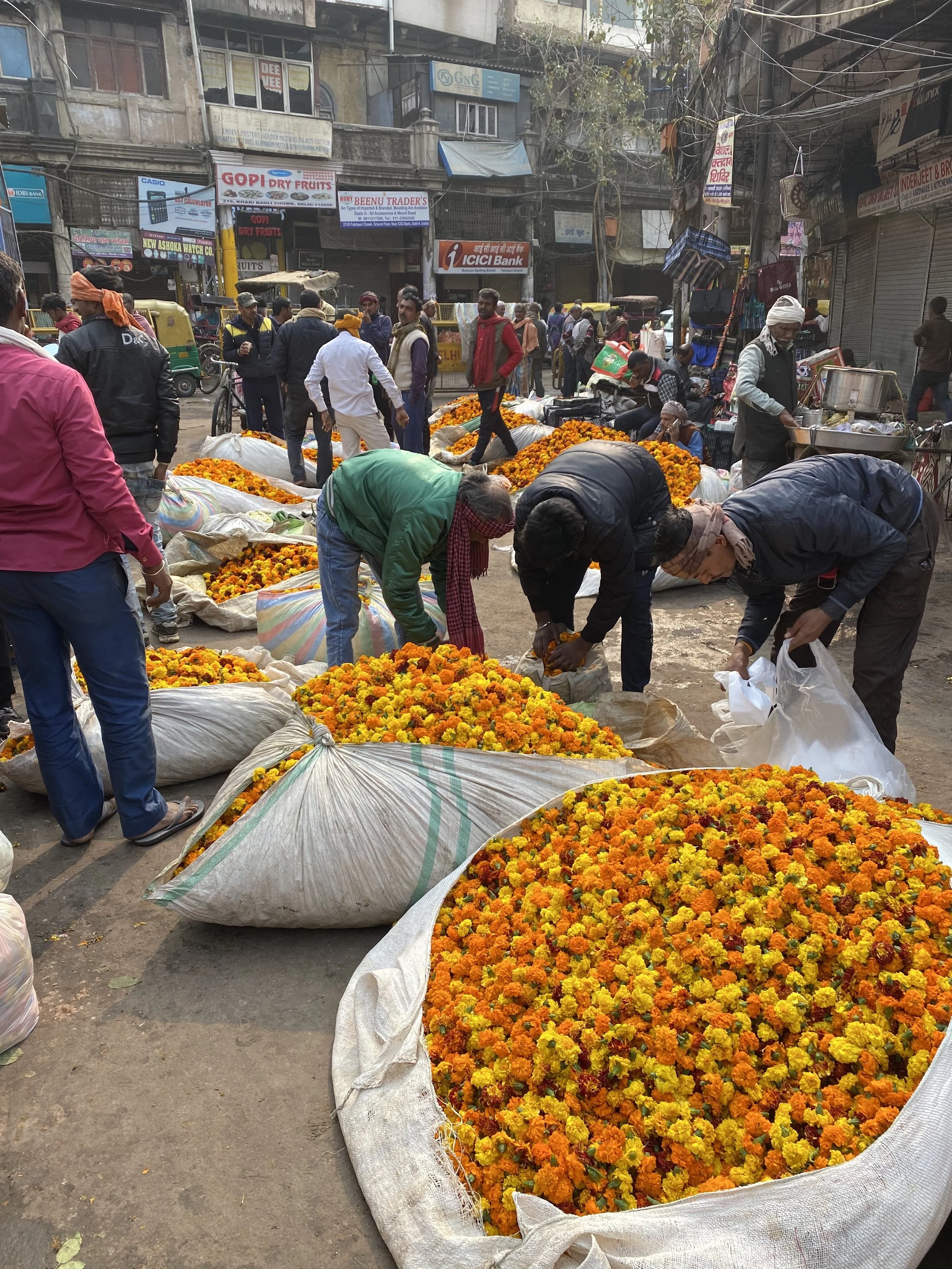
Delhi has been a capital, on and off, for close to a thousand years, and it shows. Mughal forts sit a short drive from British colonial architecture, which sits a short drive from Hindu and Islamic monuments centuries older than either. Qutub Minar, a soaring 73-meter sandstone and marble tower built in the early 13th century, is the tallest brick minaret in the world and one of the first monuments raised by the Delhi Sultanate; right beside it stands the Quwwat-ul-Islam Mosque, considered the first mosque built in India. It's a good reminder, right at the start of the trip, of how many empires have passed through this one city.
Being well-rested off a direct flight from New York, landing at 10am local time, meant we hit the ground running rather than losing a day to jet lag, which we'd recommend, since Delhi rewards having energy.
Things to See & Do
Qutub Minar — the tower itself, plus the surrounding mosque and ruins
Red Fort — the Mughal seat of power for over 200 years
Humayun's Tomb — the architectural predecessor to the Taj Mahal, and arguably just as striking with far fewer crowds
Local markets by tuk-tuk — spices, cloth, and everything in between; a sensory overload in the best way
Food Tour — see and taste more of the city with a food and walking tour. We booked this one.
Where to Stay
We stayed at the ITC Maurya New Delhi largely because Bukhara, the legendary tandoori restaurant, is located inside it. Worth choosing a hotel around a restaurant, honestly.
What to Eat
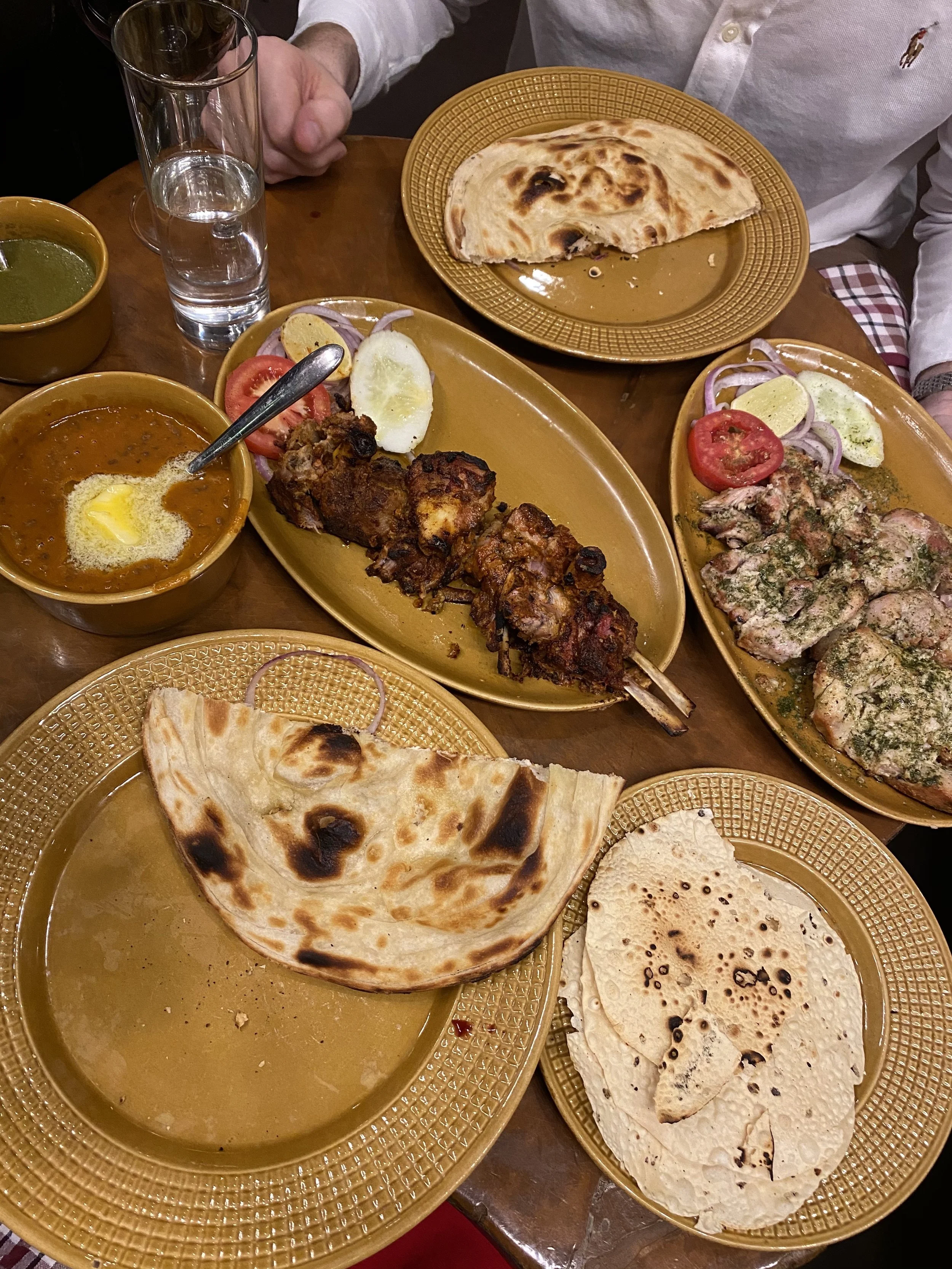
Dinner at Bukhara was the best meal of the entire trip. The tandoori, northern India's clay-oven style of cooking, produced the best chicken we've ever had, alongside excellent Dal Bukhara and butter naan.
Agra
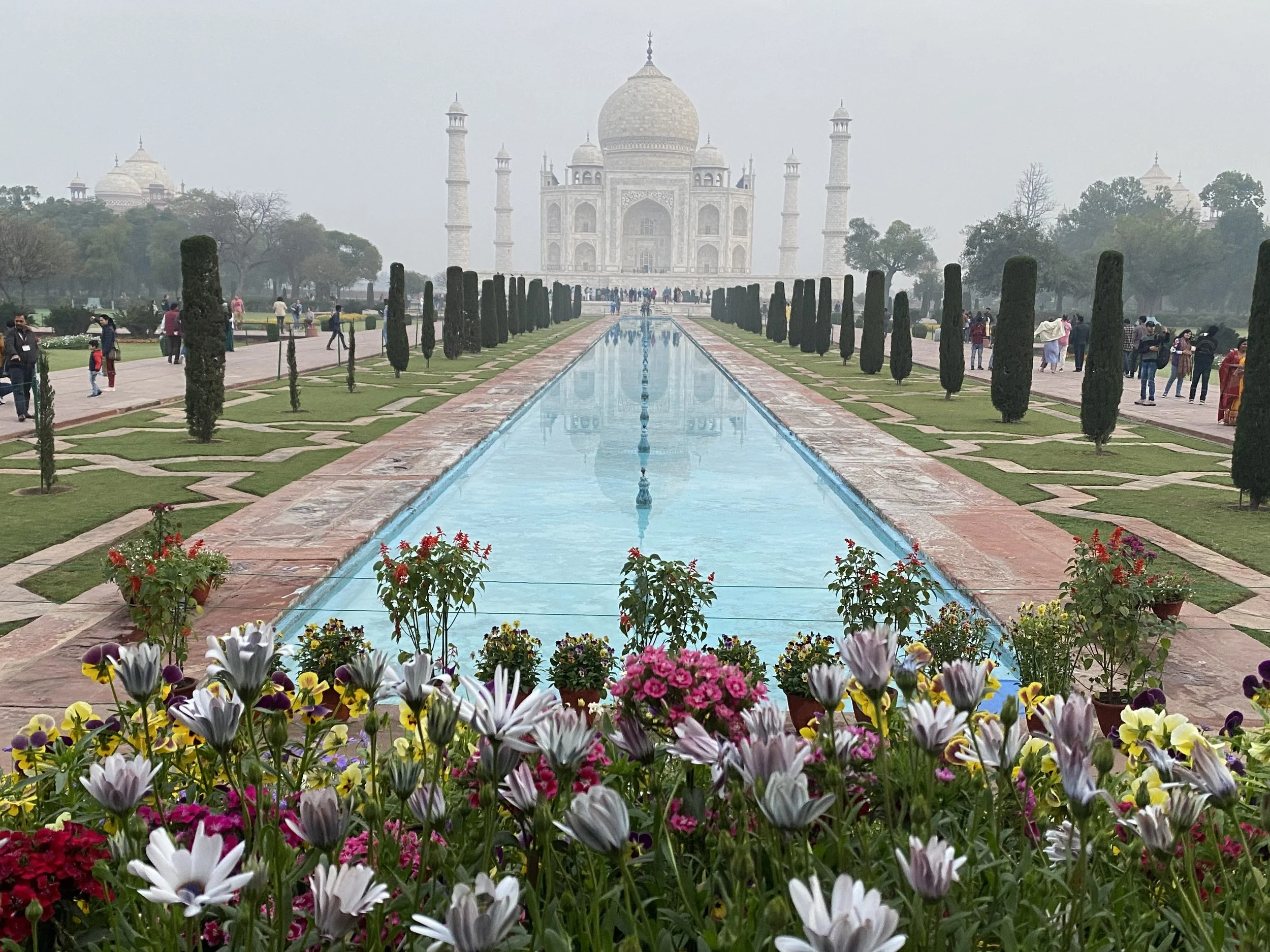
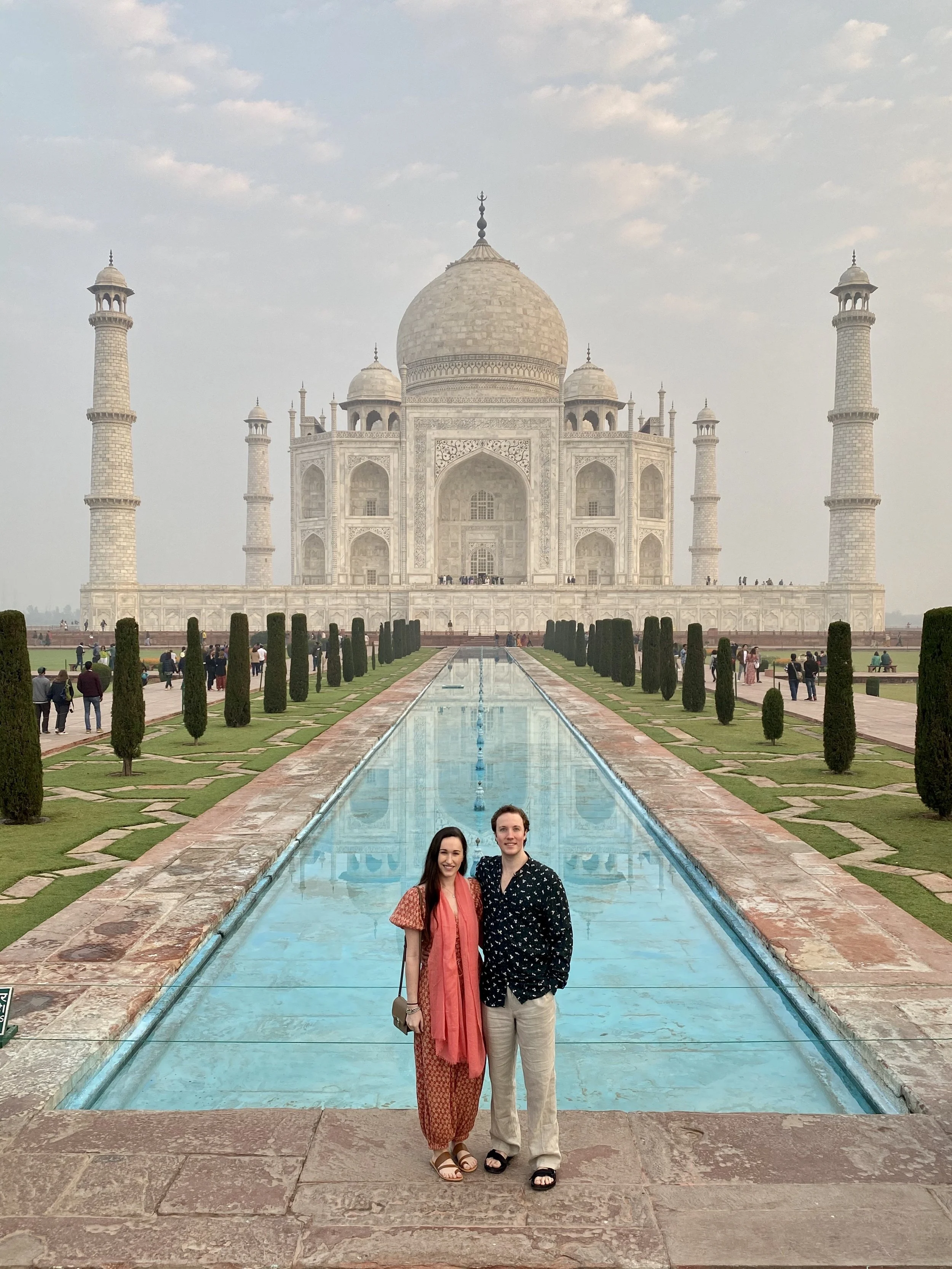
We woke before sunrise, and our driver and local guide were already waiting in the lobby. Seeing the Taj Mahal at first light, past the lines and the small crowd already forming, is the moment this whole leg of the trip is built around. Pictures do not do it justice. At sunrise, with fewer people around, it is truly magnificent. It’s the kind of place where you understand immediately why it's one of the Seven Wonders of the World.
One detail that stuck with us was that even at the entrance, security lines are separated by gender. A small logistical thing that ends up being one of those quiet cultural notes you don't expect going in.
Things to See & Do
The Taj Mahal at sunrise — worth the early wake-up, non-negotiable
Fatehpur Sikri — a small city west of Agra, founded by a 16th-century Mughal emperor, built almost entirely from red sandstone; a good stop on the drive toward Ranthambore
Where to Stay
The Taj View, Agra — The selling point here was the rooftop bar, with a view of the Taj Mahal lit up at night. Since we had an early morning, we ate at the hotel and enjoyed the view.
Jaipur
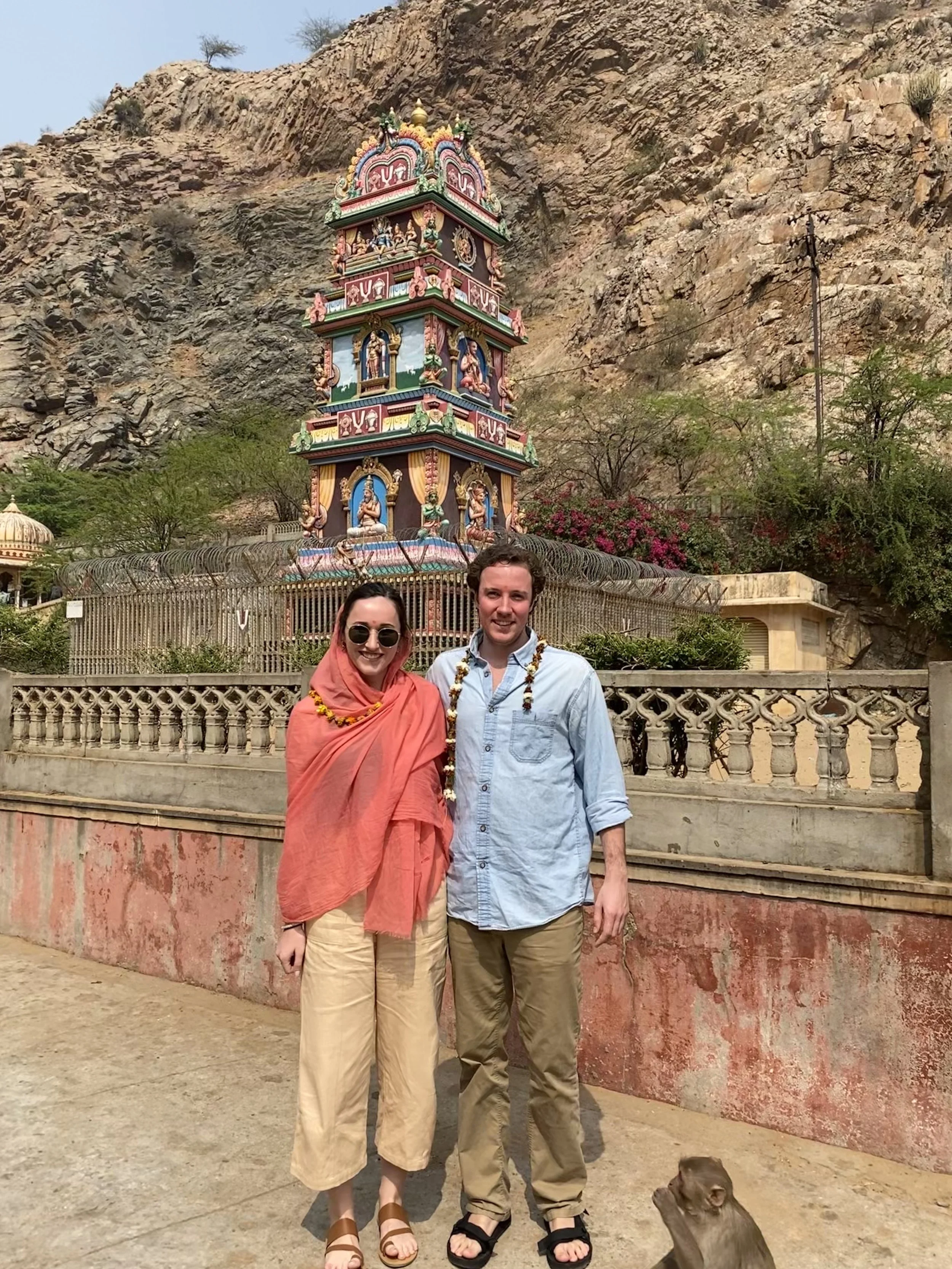
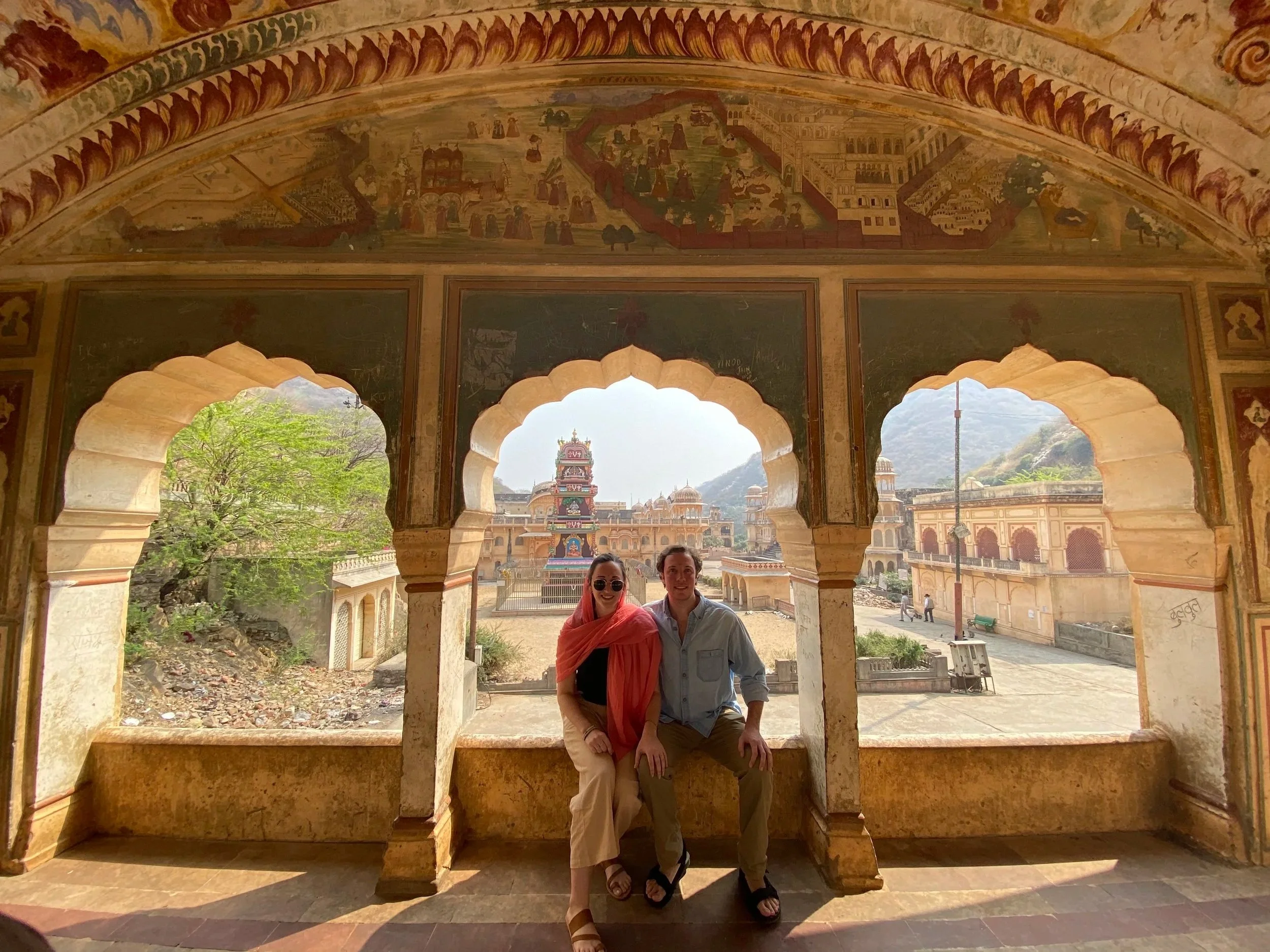
Jaipur is where the Golden Triangle turns fully into Rajasthan — pink sandstone, royal history, and a sense that the maharajas never entirely left. On the way into the city, we stopped at Galta Ji Temple, also known as the Monkey Temple, an ancient Hindu pilgrimage site dedicated to the Sun God with a temple to Hanuman inside. Watching monkeys play through the colorful grounds, some leaping into the water at the back of the complex, was one of the more purely joyful stops of the whole trip.
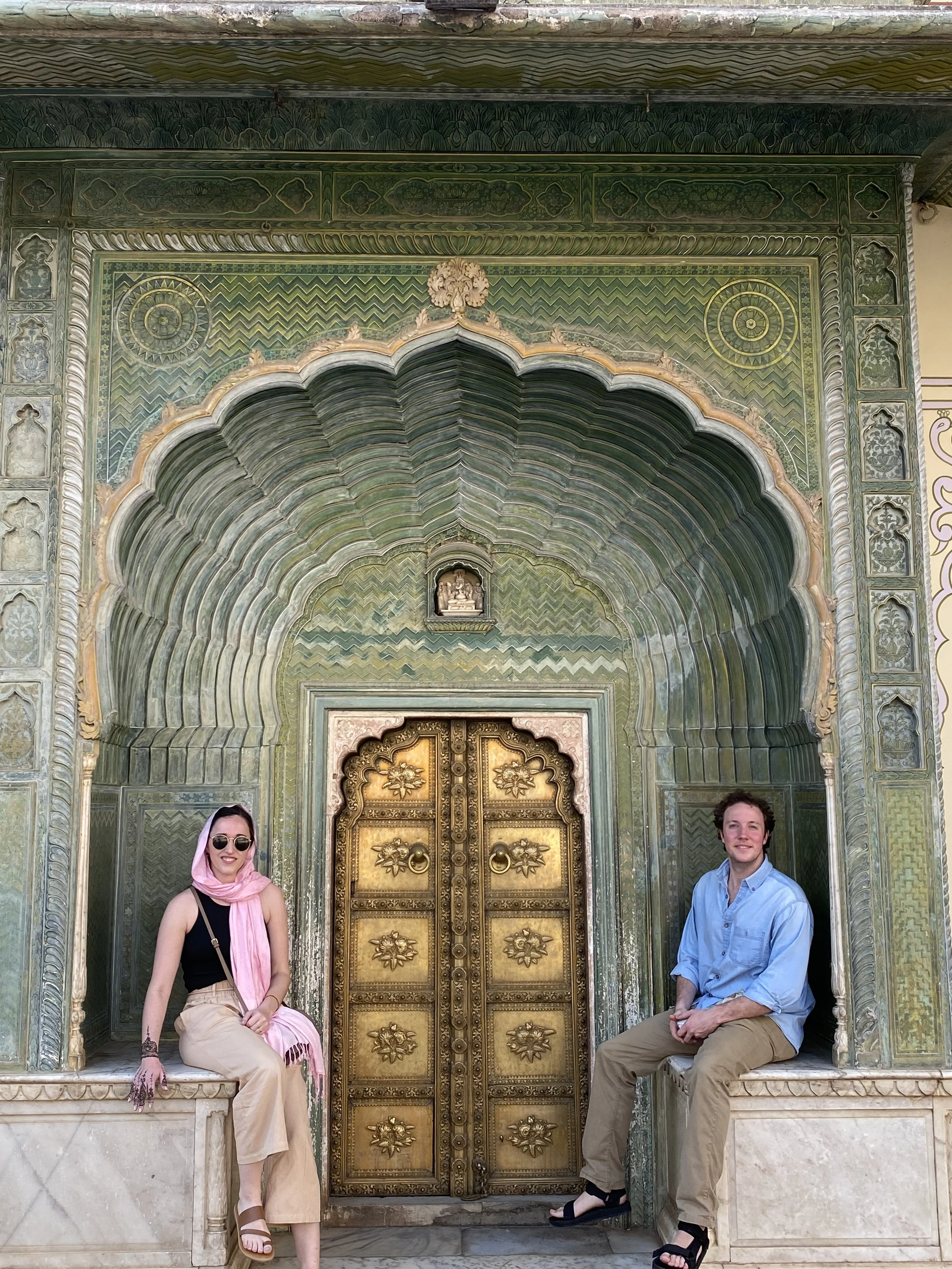
The City Palace, in particular, is where Jaipur's history really lands — courtyards, museums, and the actual living quarters of the royal family, still in use today.
Things to See & Do
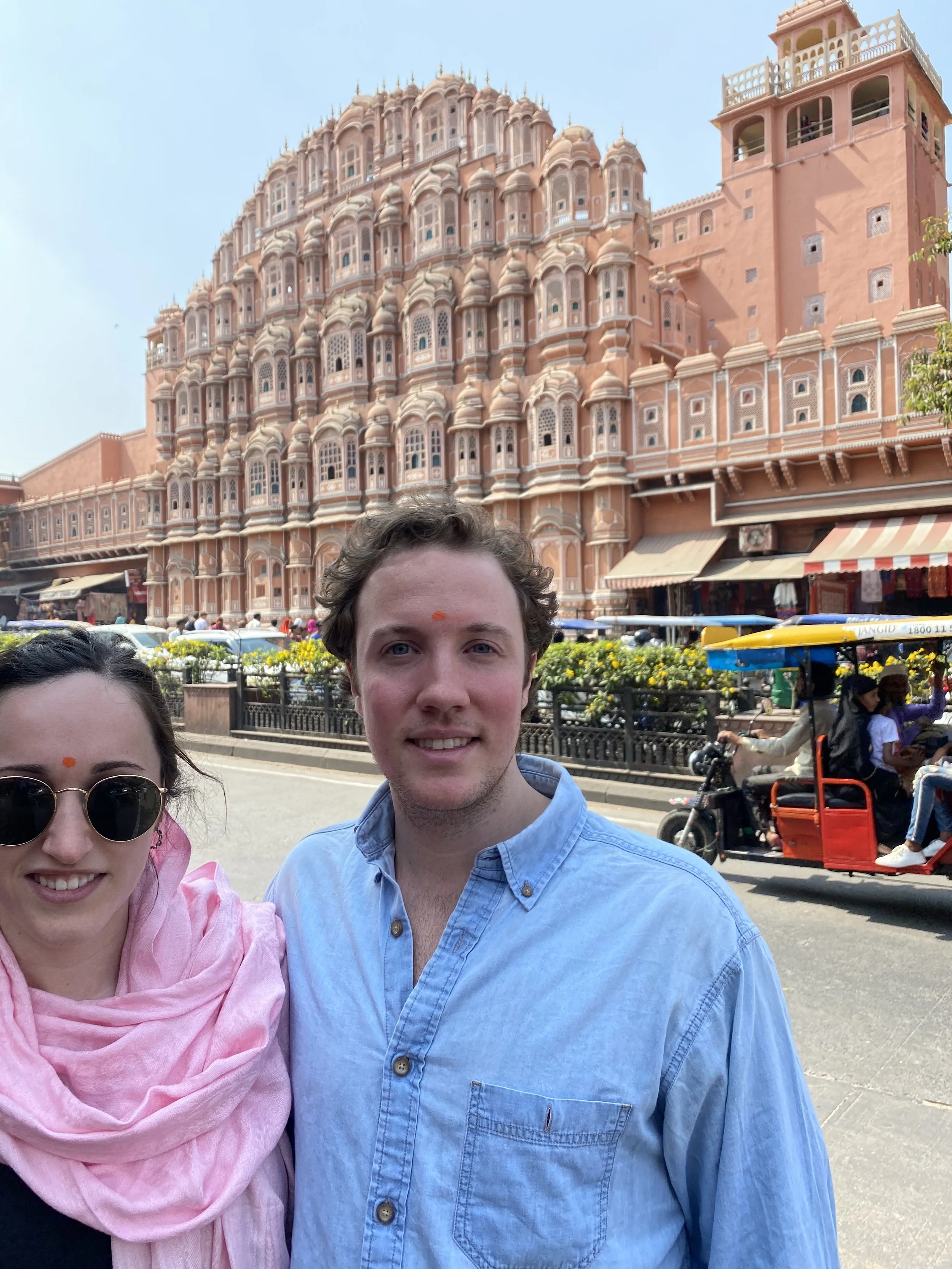
Hawa Mahal (Palace of Winds) — the honeycomb-like pink facade that's probably Jaipur's most iconic image
City Palace — courtyards, museums, and royal living quarters; the best place to go deep on the region's history
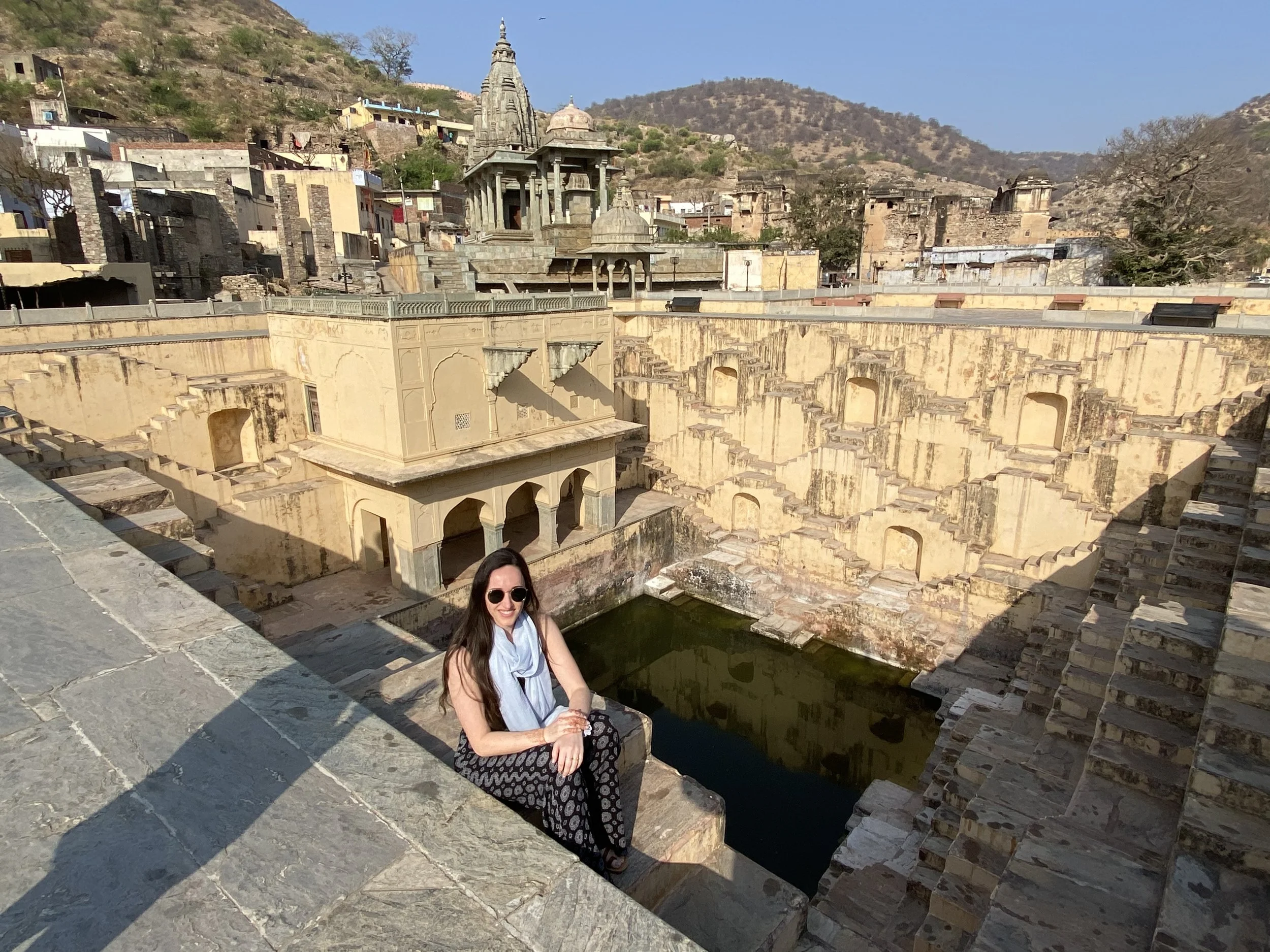
Chand Baori stepwell — built around 800 AD, with over 3,500 steps descending more than 30 meters; the deepest and largest stepwell in India
Amber Fort — a UNESCO World Heritage Site, a 16th-century hilltop fortress blending Rajput and Mughal architecture, with the iconic Sheesh Mahal (Hall of Mirrors) and sweeping lake views
Galta Ji (Monkey Temple) — worth the stop on the way in, especially for the water-jumping monkeys
Where to Stay
Taj Jai Mahal Palace — one of Jaipur's palace-turned-hotels, the Taj Jai Mahal Palace traces its roots back to 1745 and was once home to three of Jaipur's prime ministers. Set on 18 acres of manicured Mughal gardens in the heart of the city, it's all marble corridors, royal portraits, and peacocks strolling the lawns like they own the place. It's the real thing: a genuine former royal residence turned five-star hotel
What to Eat
Cinnamon (inside the Taj Jai Mahal Palace hotel) — royal Rajasthani and pan-Indian dishes served under Rajput-style architecture.
Suvarna Mahal (inside Rambagh Palace hotel) — one of the most opulent dining rooms in the city, worth it even just for the setting
Laxmi Misthan Bhandar (LMB), in Johari Bazaar — a Jaipur institution since 1727, famous for its thalis and pyaaz kachori; great for a more local, no-frills experience
1135 AD (inside Amber Fort) — candlelit dinner within the fort itself, combining sightseeing and dining in one stop

Ranthambore National Park
Ranthambore is home to around 60 tigers across roughly 515 square miles, and the park does not make it easy on you. Tigers are solitary, unfed, unfenced, and extraordinarily good at disappearing into the landscape they're protected within. The park only allows a certain number of visitors/drives per day. On our one day there, the only morning spots left were in group tours. In three hours on our first drive, we only caught a glimpse of one through thick vegetation.
We tried again that evening with a private safari, in a vehicle able to go slightly off-road, and got a better, though still partially obstructed, sighting. Between drives, we spent the afternoon by the pool.
Things to See & Do
Safari drive — the classic tiger-spotting attempt, best odds early. A private safari is worth the upgrade.
Where to Stay
The Kipling Lodge. We loved its smaller, boutique feel — the landscaping and outdoor showers made it feel like we were staying inside the park itself, adding to the whole safari atmosphere.
What to Eat
Dinner at the lodge, paired with a couple's massage, was a highlight.
Rishikesh
3-4 Days
After Jaipur, we said goodbye to our driver who had been with us since we first landed, and boarded a flight to Rishikesh. After the marble crowds of the Golden Triangle, Rishikesh felt like exhaling. The town is built on a bend of the Ganges River right where it comes rushing out of the Himalayan foothills, and it's spent the last century turning that into an identity: yoga capital of the world, adventure base camp, and one of the few genuinely sacred cities you can still feel is sacred.
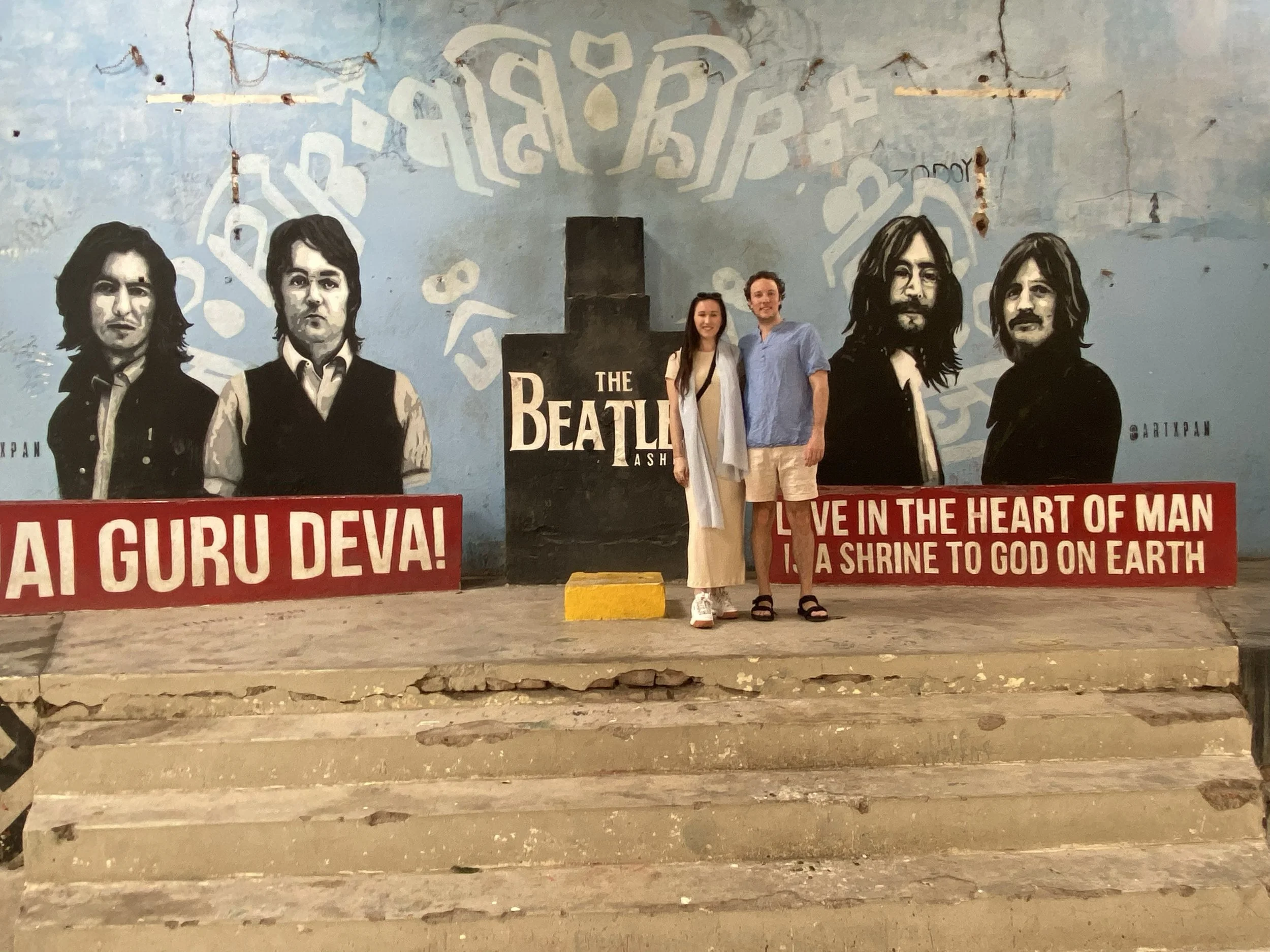
Rishikesh has been a pilgrimage stop for centuries, but its modern global fame really traces back to 1968, when the Beatles came to study Transcendental Meditation at the Maharishi Mahesh Yogi's ashram here. You can’t miss visiting the abandoned "Beatles Ashram" (officially Chaurasi Kutia). The graffiti-covered meditation domes are one of the most photographed spots in town. Since then, Rishikesh has grown into a strange, functional mix: hardcore yogis and ashram residents, backpackers doing a weekend of white-water rafting, and Indian families on pilgrimage, all sharing the same narrow streets and the same two footbridges over the river.
One thing that surprises first-time visitors: Rishikesh is officially a vegetarian city, and alcohol sales are banned within municipal limits. It's tied directly to the town's status as a center of pilgrimage and yoga practice, where diet and sobriety are considered part of spiritual discipline. Every restaurant in town, even the backpacker cafes serving banana pancakes and Israeli food, is meat-free. Being a meat lover, I thought I’d miss it, but the flavors and textures are endless, and we loved leaning into the clean way of life.
Where to Stay:
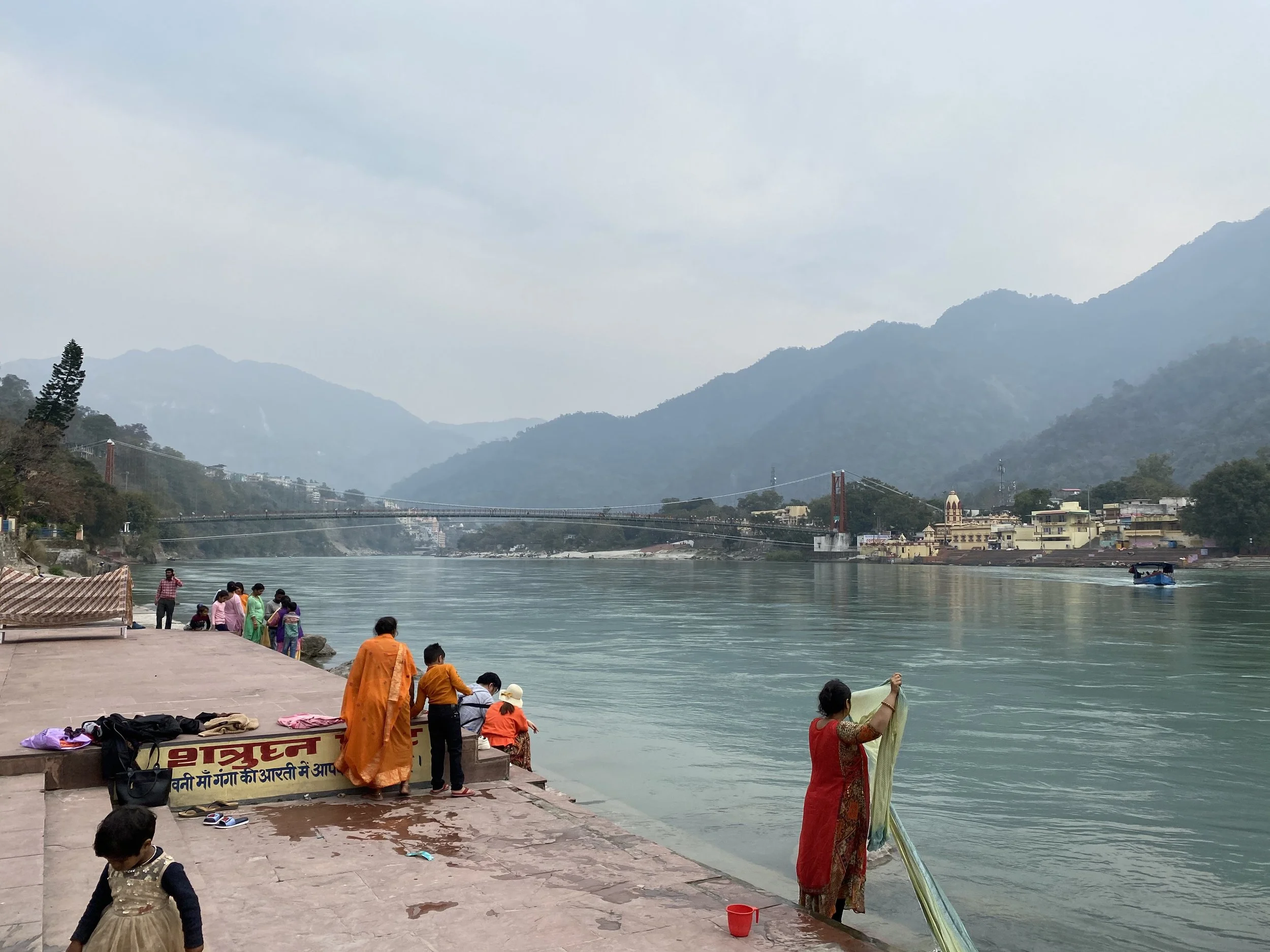
If you're here for yoga rather than luxury, you want to be based around Tapovan or the Laxman Jhula / Ram Jhula area. The two suspension bridges that are the real center of town (cars can't cross them, which keeps the whole area calm and walkable).
Ashram stays — places like Parmarth Niketan (right on the ghat, hosts the nightly Ganga Aarti) or Anand Prakash Yoga Ashram offer simple rooms bundled with daily yoga and meditation classes. This is the classic Rishikesh experience: early wake-ups, shared meals, structured practice.
Boutique yoga guesthouses in Tapovan are a step up in comfort from an ashram but still walking distance to studios, with rooftop cafes overlooking the river.
Most hotels offer daily yoga classes as well.
A short drive further upstream, the Ganges valley opens up and the resorts get considerably quieter and more luxurious. This is where you go to decompress after the ashram schedule (or instead of it).
Ananda in the Himalayas — a former Maharaja's palace turned wellness resort outside Rishikesh, known for Ayurvedic treatments and sweeping valley views. One of India's most-awarded spa retreats.
Aloha on the Ganges — riverside luxury tents and villas further upstream, popular for the combination of spa treatments and adventure activities on the doorstep.
The Glasshouse on the Ganges — a heritage Neemrana property directly on the river, all colonial-era architecture and quiet.
Things to Do:
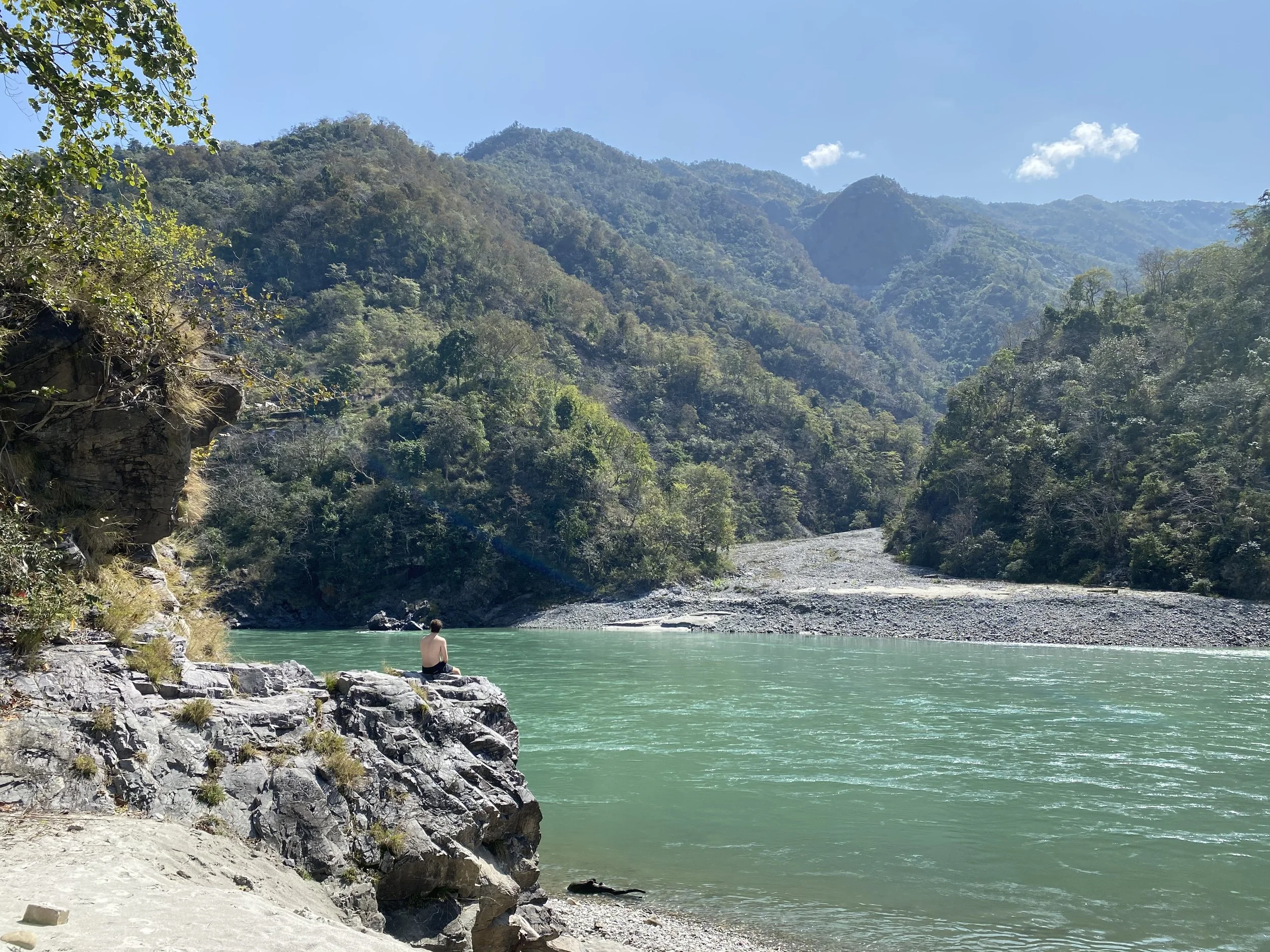
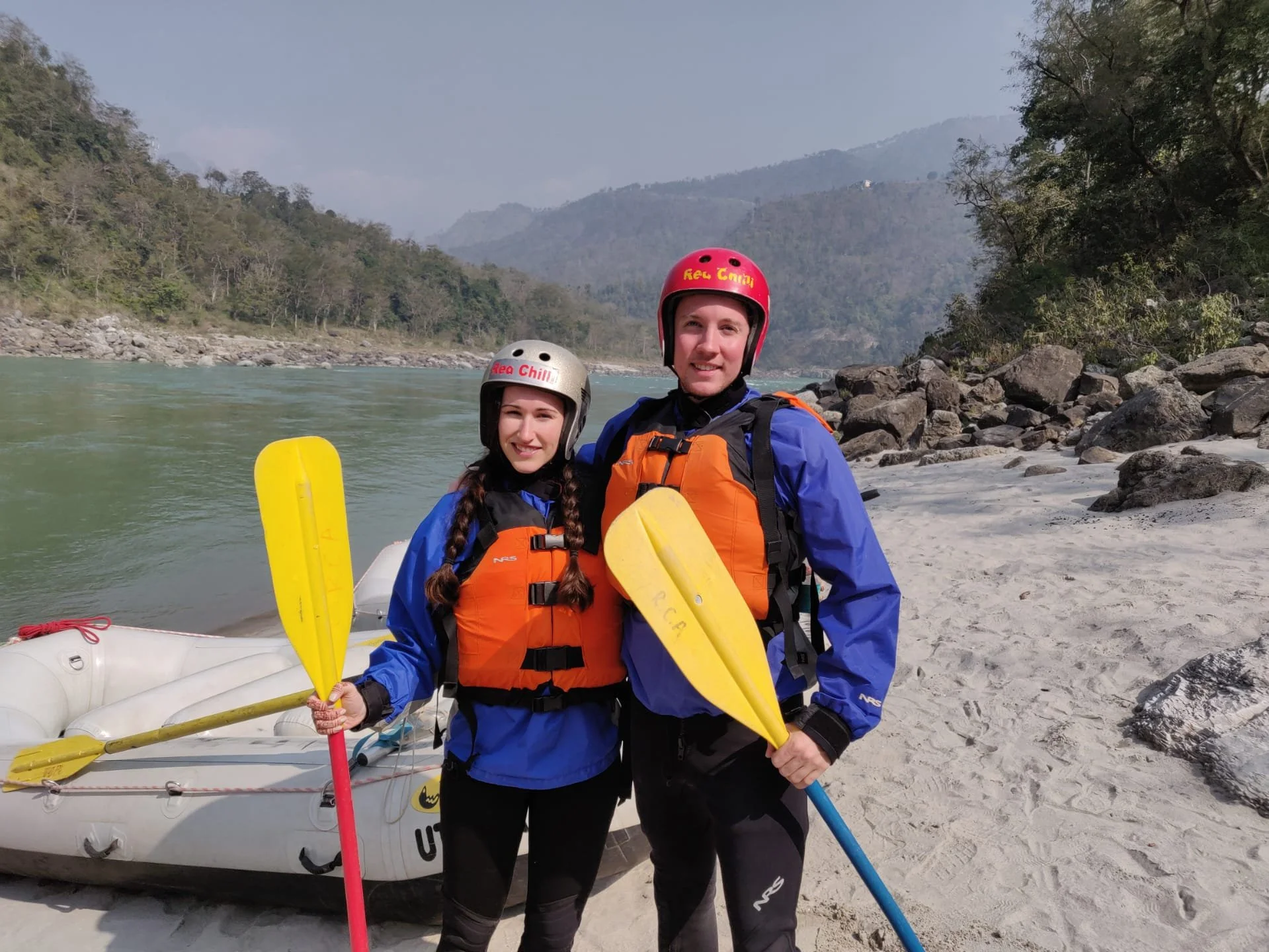
White-water rafting. This is the reason a lot of people first hear of Rishikesh outside the yoga world. The Ganges here has genuine rapids (graded I–IV depending on the stretch and season), and most trips run from Shivpuri or Kaudiyala down toward Rishikesh town. We booked this excursion for a half day. We visited in late February: the water is cold year-round, but the sun is hot.
Yoga. Whether it's a single drop-in class or a multi-day intensive, this is genuinely one of the few places in the world where yoga isn't a wellness trend but a lived, everyday practice.
Hiking. The hills around Rishikesh offer everything from short waterfall walks (Neer Garh Waterfall is a popular half-day hike) to longer treks with Himalayan views.
Ganga Aarti at Parmarth Niketan or Triveni Ghat. Even if you do nothing else, catching the evening river ceremony. Fire, chanting, hundreds of floating candle offerings drifting downstream, is worth building your evening around.
Wandering the two bridges. Laxman Jhula and Ram Jhula aren't really "sights" so much as the connective tissue of the town: cows, monkeys, incense smoke, and river views, best experienced slowly rather than as a checklist item.
Mumbai
3-4 Days
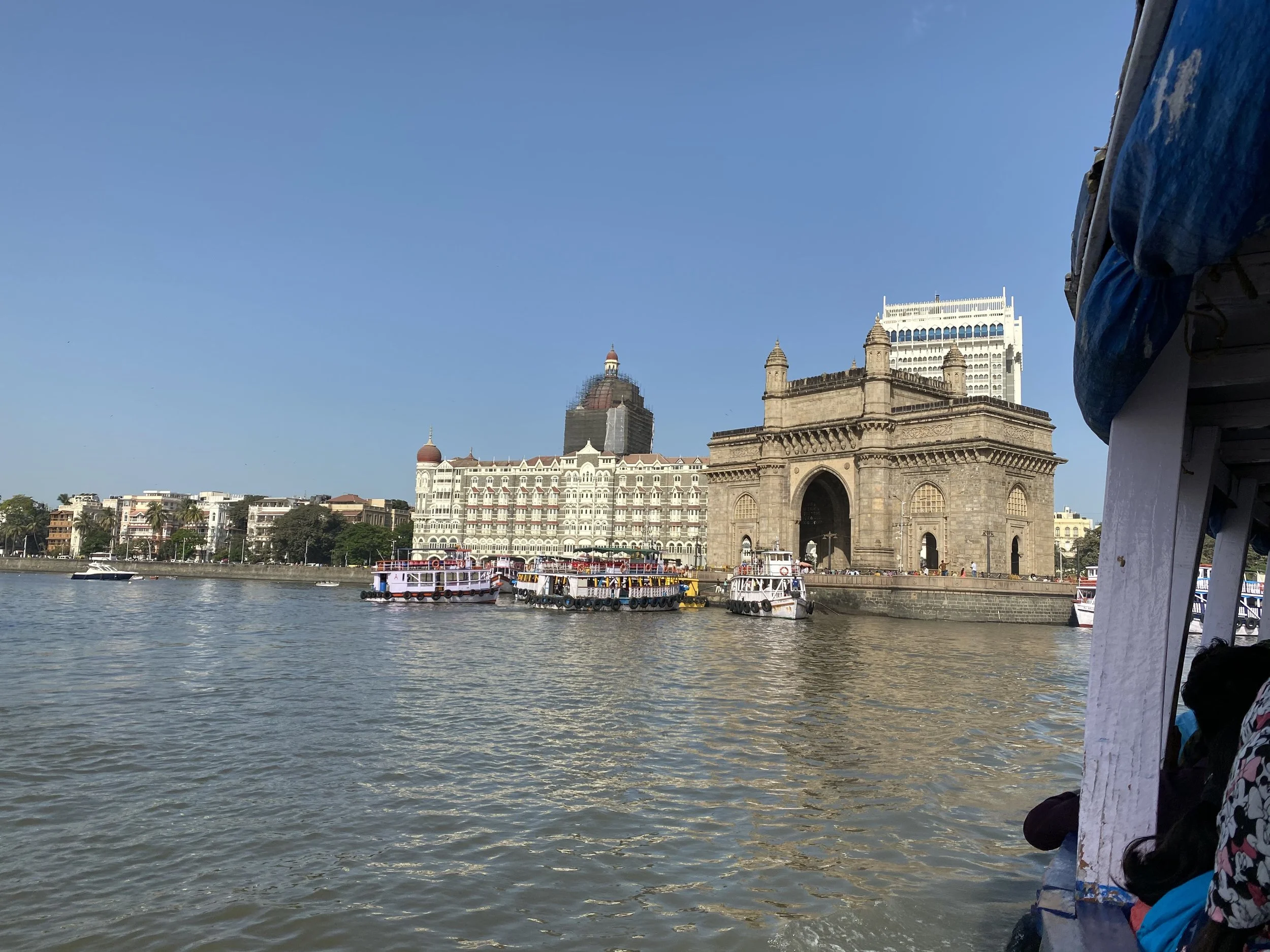
Mumbai is India's financial capital and entertainment engine, a city of colonial-era stone buildings standing shoulder to shoulder with skyscrapers. It was originally seven separate islands, reclaimed and joined together over centuries, first by the Portuguese, then by the British, who made it the trading and administrative heart of colonial India. That layered history is everywhere: the Gateway of India, an arch overlooking the harbor, was built in 1924 to commemorate a royal visit and quickly became the city's most recognizable symbol; nearby, colonial-era buildings give way to Art Deco apartment blocks, and further out, glass towers.
After the slow pace of the mountains, we were a bit apprehensive to get back to a busy city, and Mumbai delivered exactly that. It's dirty, hot, and crazy, the most populated city in the country, with a massive, obvious divide between the richest of the rich and the downright poor, often just blocks apart from each other. It felt like a fitting place to end the trip all the same: fast, layered, and impossible to fully take in over just a few days.
Things to See & Do
Gateway of India — the harbor-front arch that's Mumbai's most iconic landmark, and the departure point for boats to Elephanta Island
Colaba and South Mumbai wandering — the neighborhood around the Gateway of India and Taj Mahal Palace Hotel rewards just walking
Elephanta Caves — a UNESCO World Heritage Site reached by an hour-long ferry across Mumbai Harbour. The rock-cut cave temples here date back to the 5th–6th century CE and are dedicated to Shiva, carved directly into basalt rock by hand. The main cave holds a 20-foot sculpture of the Trimurti, showing Shiva as creator, preserver, and destroyer
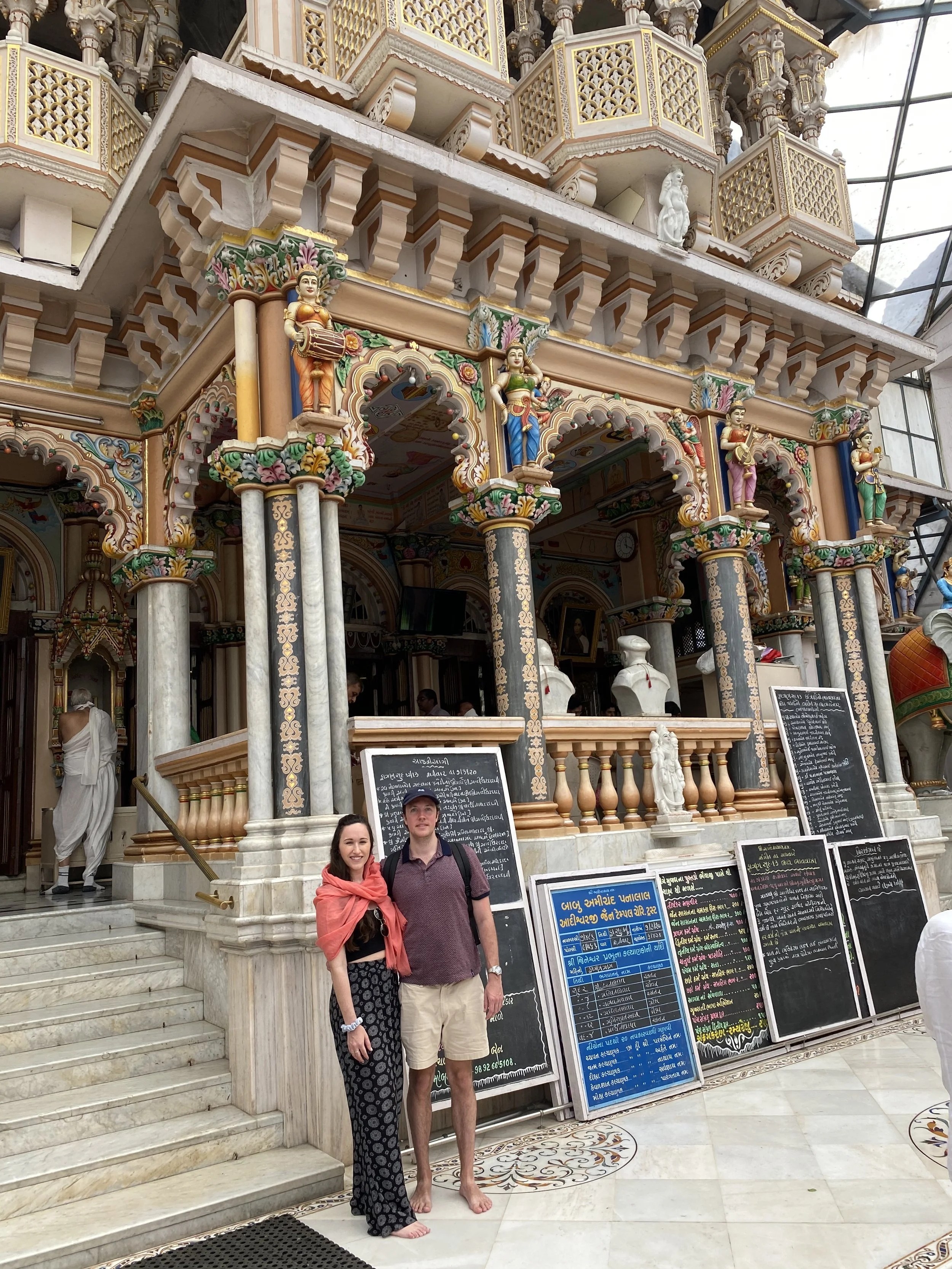
Babu Amichand Panalal Adishwarji Jain Temple — tucked into the Walkeshwar neighborhood on Malabar Hill, this 1904 temple is considered one of the most beautiful Jain temples in the city, known for its intricate marble carving and painted ceilings. It's still an active place of worship, so a respectful, low-key visit. We saw it as part of a half-day tour with a private guide and driver (this one), the same day we went to Elephanta Caves, which turned out to be one of the best ways to cover a spread-out city like Mumbai efficiently.
Dhobi Ghat — the open-air laundry, a striking working-class counterpoint to the palace hotels
Chhatrapati Shivaji Maharaj Terminus (CST) — the train station itself is a Gothic UNESCO showpiece
A Bit of Lucky Timing: Holi
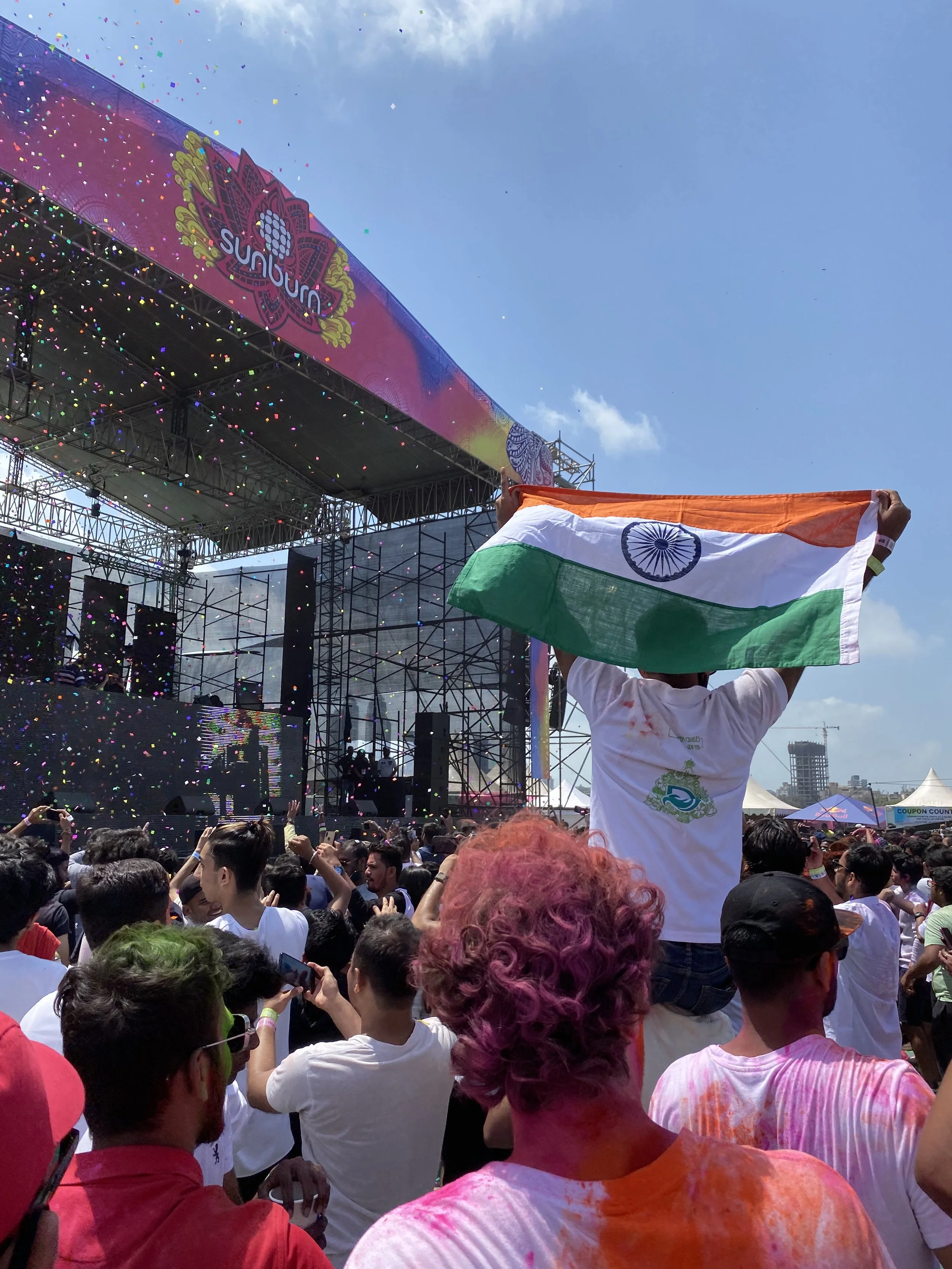
We happened to be in Mumbai during Holi, the Hindu festival of color and spring, and it ended up being one of the best parts of the entire trip. Holi celebrates the arrival of spring and the triumph of good over evil, and it's marked by throwing brightly colored powder (called gulal) and water at friends, family, and strangers alike — the idea being that on this one day, social boundaries dissolve and everyone, regardless of age or status, ends up equally covered in color. We went to a music festival built around the celebration and spent the day throwing colored powder with total strangers who instantly felt like friends. If your travel dates have any flexibility at all, we'd genuinely recommend planning a India trip around Holi, it's a completely different, joyful side of the country you don't get any other time of year. We did end up throwing away the outfits covered in colourful stains, but it was worth it.
Where to Stay
St. Regis Mumbai or Four Seasons Mumbai are neighbors and offer 5-star luxury, but the standout is the Taj Mahal Palace, Mumbai. It sits right beside the Gateway of India and opened in 1903, having attracted celebrities and royalty over the years.
What to Eat & Drink
Masque — a tasting-menu restaurant built around Indian ingredients sourced directly from farms and producers around the country, frequently ranked among Asia's best restaurants. All 10 courses were excellent.
The Table — a modern, globally-influenced restaurant with a strong wine list, popular with both locals and visitors. A short break from Indian food at this point in our trip.
Trishna — legendary for its seafood, and famous for letting you pick your own crab before it's cooked to order. We went with the butter garlic preparation, and it was so flavorful we couldn't finish it. More crab than we knew what to do with, in the best way.
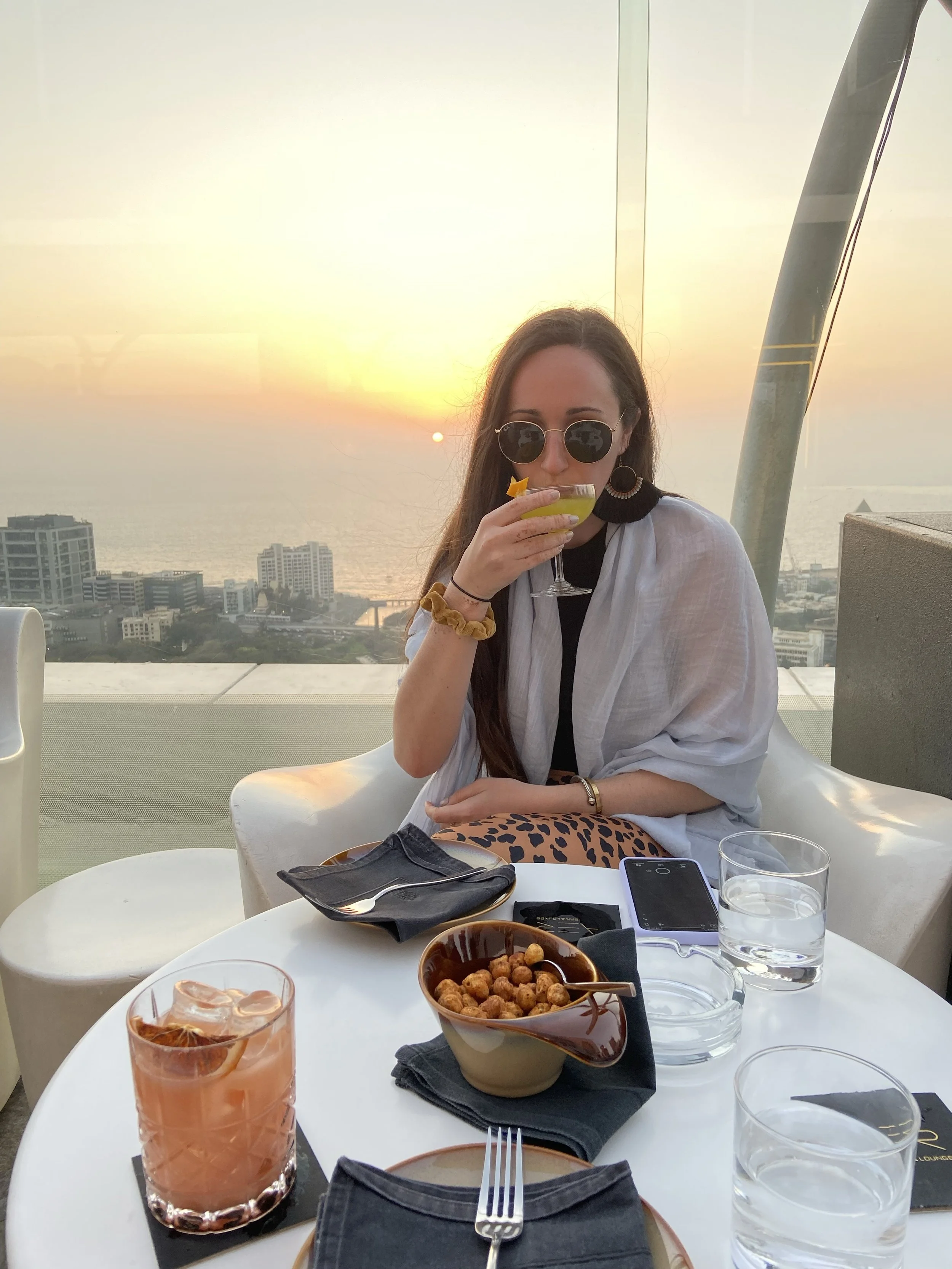
Rooftop drinks at Four Seasons — the view here is a genuine juxtaposition: from the rooftop, you look out over the city skyline with one of Mumbai's largest slums spread out directly below, all while sipping cocktails and watching the sun set into a slightly smoggy sky. It's the kind of contrast that sums up Mumbai in one image.
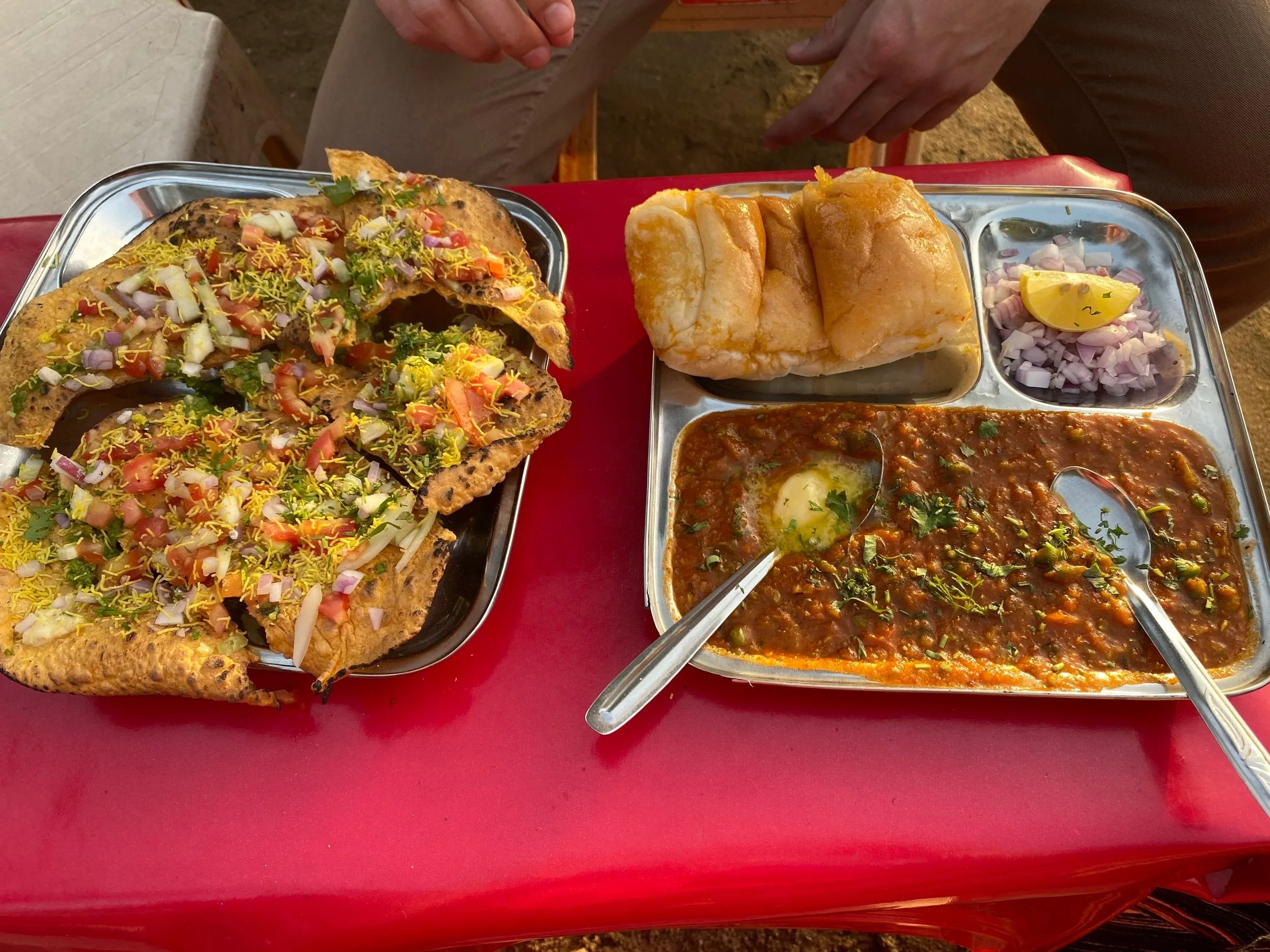
Street food near Chowpatty Beach — the most essential, least fussy meal of the trip: bhel puri, pani puri, and sev puri eaten standing up, steps from the water. Wander around on our own or join a food tour.