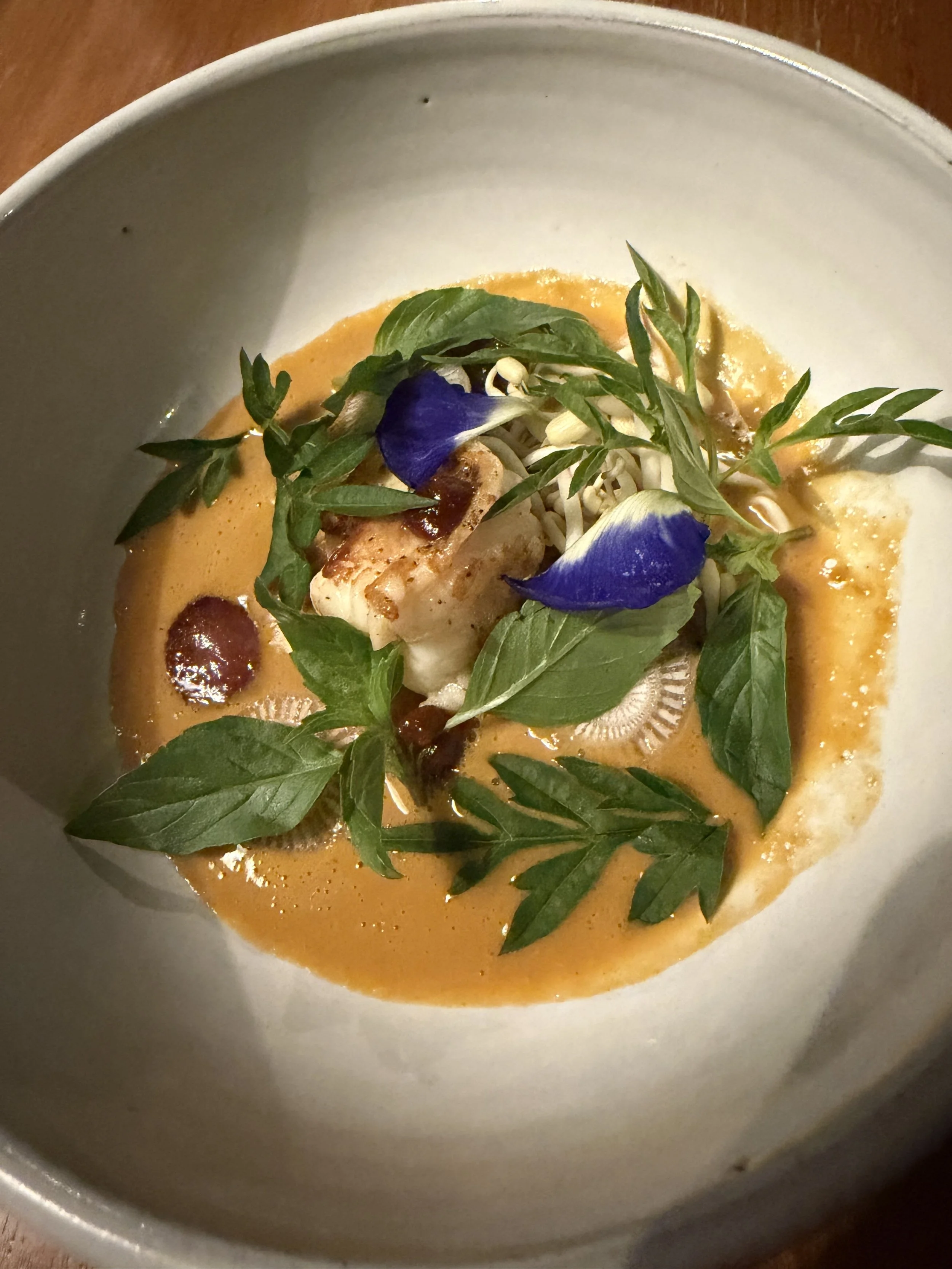
5 Cambodian Dishes You Need to Try (and the History Behind Them)
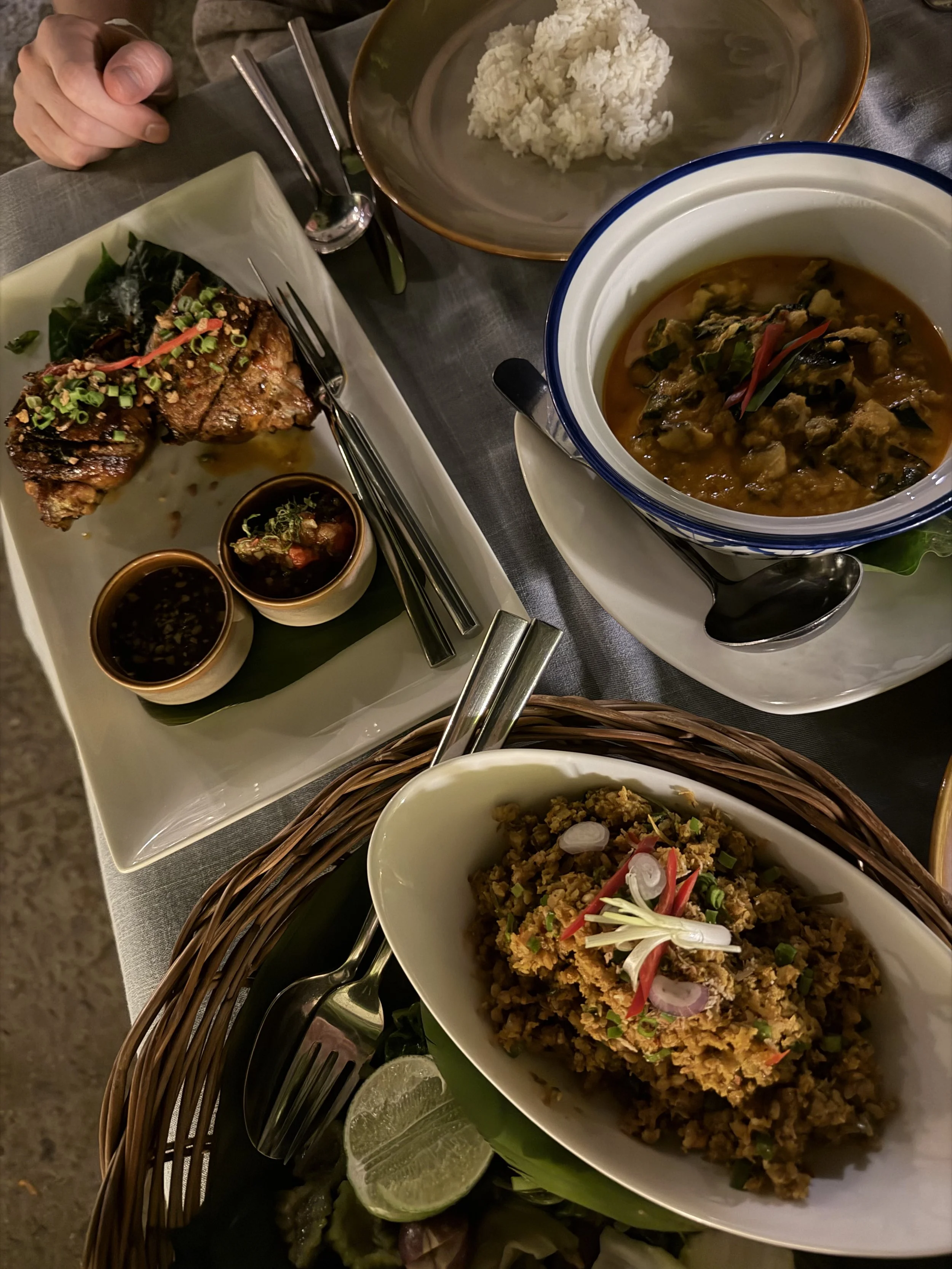
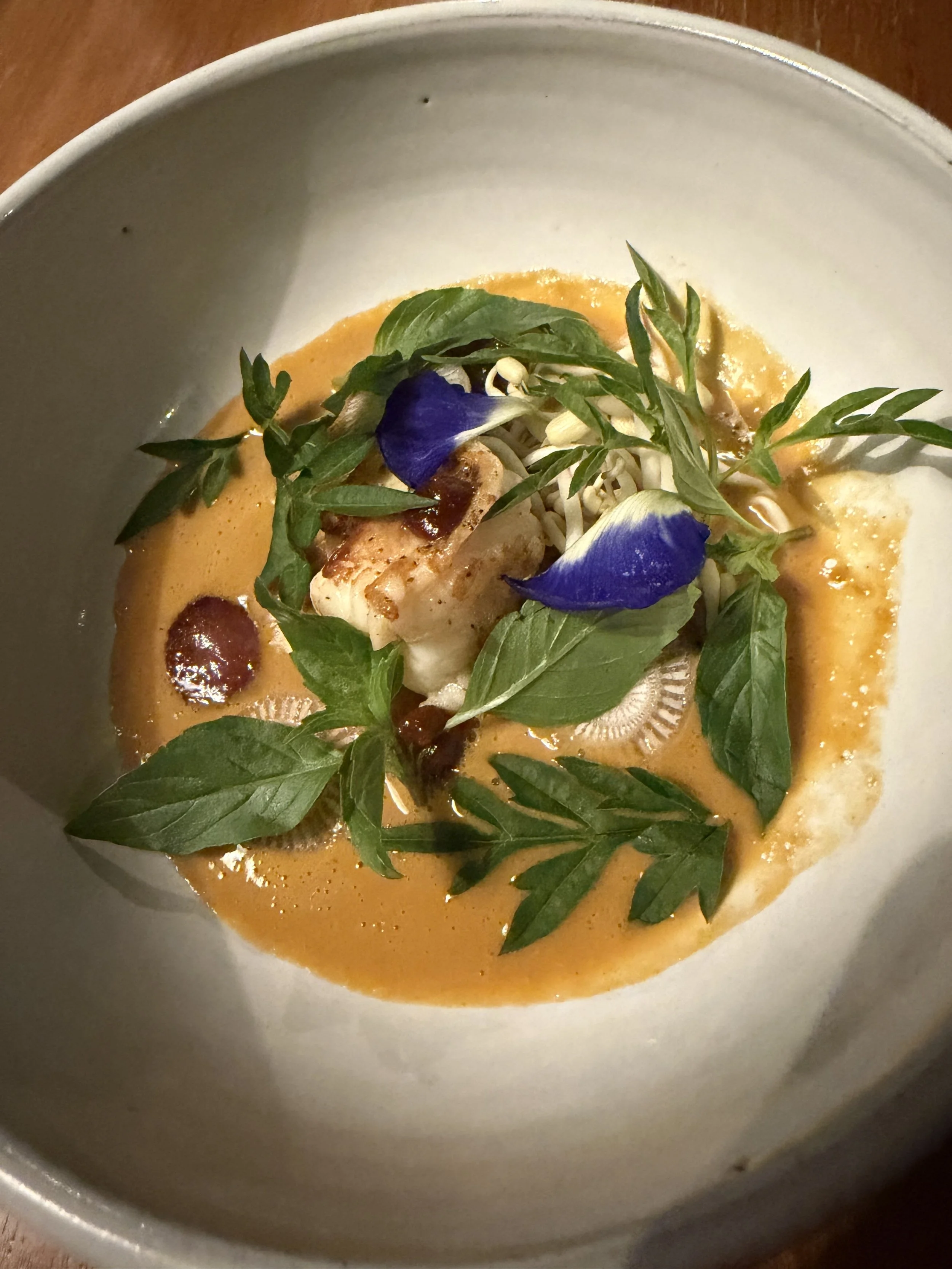
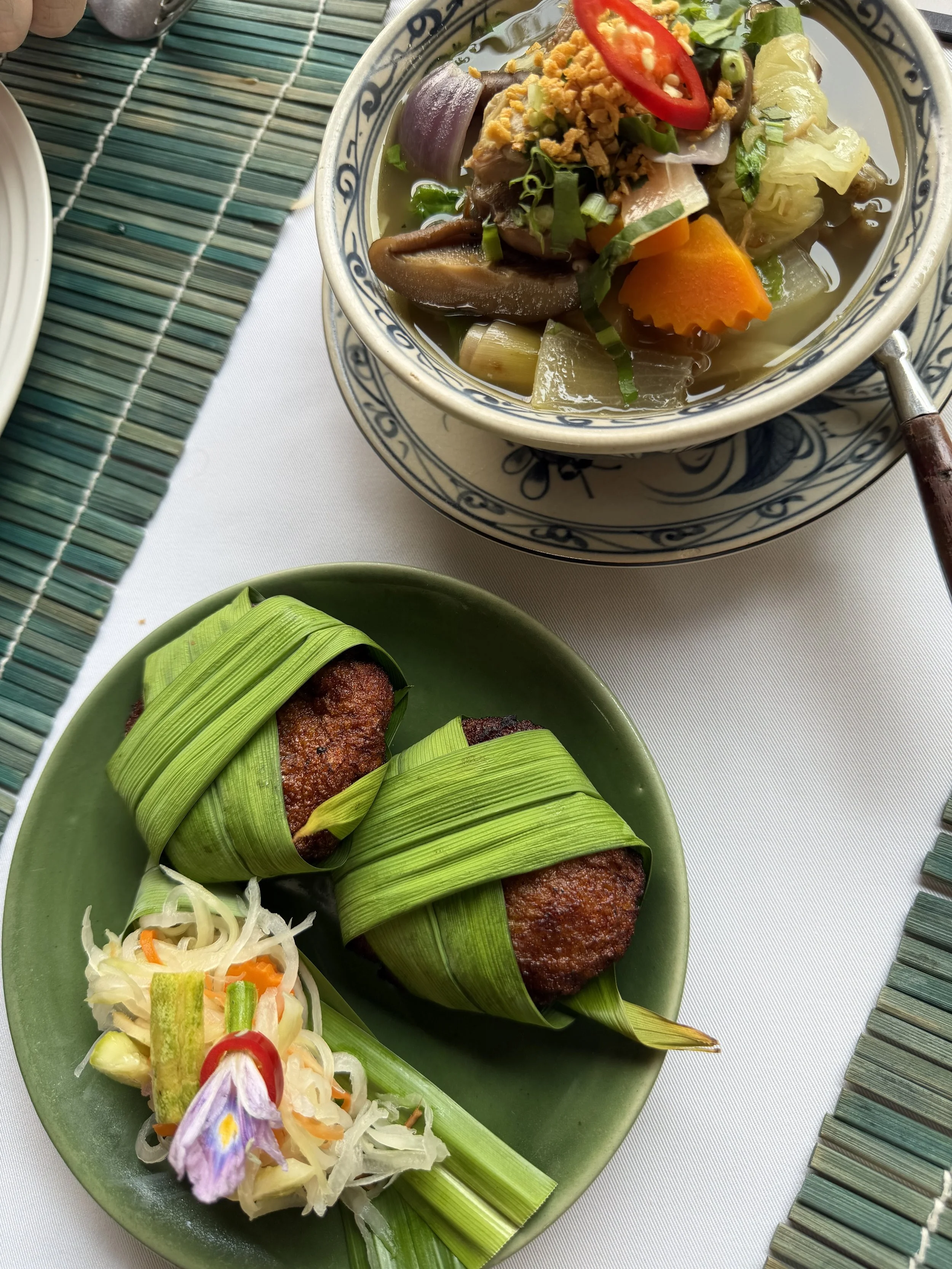
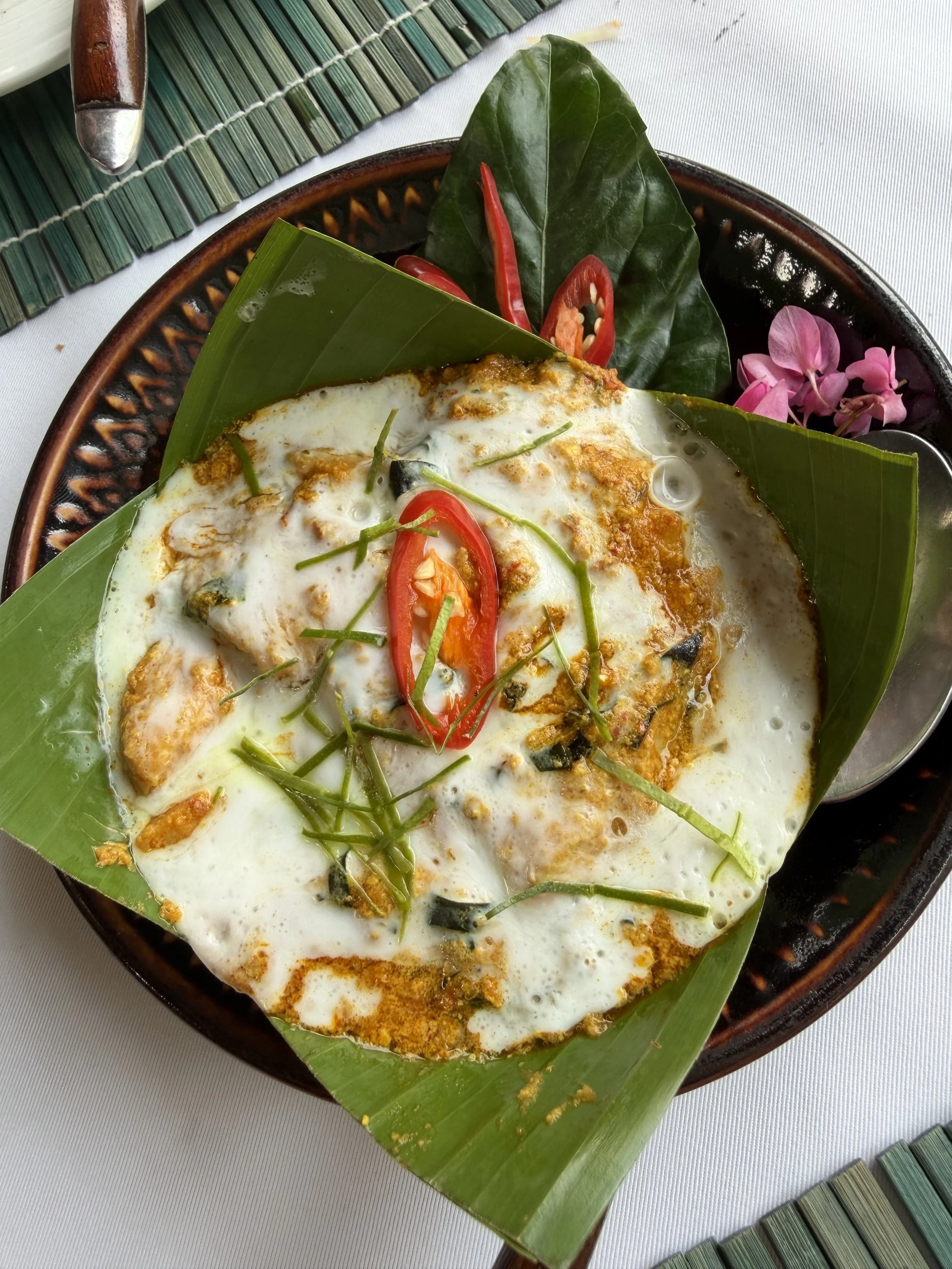
Somewhere between the temples and the heat, Cambodia quietly became a food trip. We went for Angkor Wat, the way most people do, but what we couldn't stop talking about afterward was the food — a delicious, layered mix of flavors that borrows from Thailand, Vietnam, China, and even France, while still tasting like nothing else. Fish amok was the dish we fell hardest for, but it was really just the entry point into something much bigger.
A brief history of Khmer food
Cambodian food is older than most people realize — its foundations trace back over a thousand years to the Angkorian era, when the Khmer Empire's sophisticated irrigation systems supported a cuisine built on rice, freshwater fish from the Tonle Sap, and fermented staples like prahok. There's a 12th-century carving at the Bayon temple that shows an actual Khmer kitchen, using tools still found in Cambodian homes today — this is not a young food culture.
What makes Khmer food distinct, though, is everything that got folded into it over the centuries. Indian traders arrived as early as the 6th century and left behind spices like turmeric, which still shows up in dishes like somlor machu kroeung. Not long after, Thai influence brought coconut milk and chili into the mix. Chinese migration added soy sauce and stir-frying technique. Vietnamese cooking, shaped by centuries of shared and contested borders, shows up in the noodle soups and fresh herb plates. And French colonization left one of the more unexpected marks: the baguette, still eaten everywhere, usually stuffed into a Khmer take on banh mi called nom pang.
Holding all of it together is kroeung — an aromatic paste of lemongrass, galangal, turmeric, garlic, and kaffir lime that functions as the backbone of most savory Khmer cooking. It's the thing that keeps Khmer food from tasting like a copy of its neighbors, even when the ingredients overlap.
There's a harder chapter to this history, too. Under the Khmer Rouge in the late 1970s, an enormous amount of culinary knowledge was lost along with the people who carried it — recipes that had only ever been passed down orally, never written. Cambodian food culture today is still, in part, an act of rebuilding.
The current food scene
That rebuilding is very much alive right now. Chef Nak (Ros Rotanak) has become the country's most visible culinary ambassador, tracking down and documenting royal and village recipes that nearly disappeared, and publishing them in cookbooks like NHUM and SAOY rather than opening a restaurant — she's taken the food on the road instead, through pop-ups and cultural dining experiences as far as India. At the same time, chefs like Joannès Rivière at Cuisine Wat Damnak in Siem Reap (where we had one of our best meals of the trip) have pushed Khmer cuisine into serious fine-dining territory — it was the first Cambodian restaurant to make Asia's 50 Best list.
The throughline in all of it is documentation and elevation: recipes that used to live only in someone's memory are now being written down, taught, and put in front of a global audience, often for the first time. It's less a "trend" in the food-blog sense and more a country actively deciding which parts of its culinary history are worth saving and building on.
What Khmer food actually tastes like
If Thai food tends to lead with heat and Vietnamese food leans bright and herbal, Khmer food sits somewhere quieter in between — it's more subtle, less chili-forward, and more reliant on aromatics than spice. Most savory dishes are built on that kroeung paste, so you get a lot of lemongrass, turmeric, and galangal up front, balanced by the funk of prahok (fermented fish paste) working in the background rather than announcing itself. Coconut milk shows up often, but tends toward rich and savory more than sweet. Overall, it's a cuisine that plays with the full range, sweet, sour, salty, a little bitter, without letting any one note take over, which is probably why it doesn't get the same recognition as its louder neighbors despite being just as complex.
The 5 dishes to try first
Fish amok — Cambodia's signature dish, and rightfully so. Fresh fish is mixed with kroeung and coconut milk, sometimes egg, and steamed in a banana leaf until it sets up almost like a savory custard. It's creamy, aromatic, and much more delicate than a typical curry — this is the dish that convinced us Khmer food deserves its own category, not just a footnote to Thai food.
Lok lak — marinated, stir-fried beef served over lettuce, tomato, and cucumber with a lime-pepper dipping sauce, usually alongside rice and a fried egg. The soy and oyster sauce point to Chinese influence, but the black pepper-lime sauce has an almost French steak au poivre logic to it. Simple, but the kind of dish you crave again a few days after eating it.
Nom banh chok — often called Cambodia's national breakfast noodle. Fermented rice noodles are topped with a green fish curry gravy built on lemongrass, turmeric, and kaffir lime, then piled with fresh vegetables and herbs. Traditionally sold by women carrying baskets of it on shoulder poles through the streets in the early morning.
Bai sach chrouk — grilled pork over rice, marinated in garlic and coconut milk, served with pickled vegetables and a light broth on the side. It's Cambodia's other national breakfast, and one of the easiest entry points into Khmer food if you're eating your way through Siem Reap or Phnom Penh street stalls.
Nom pang — the Khmer answer to banh mi, and the clearest evidence of the French colonial imprint on Cambodian food. A crusty baguette (that French influence again) stuffed with pâté, pickled vegetables, herbs, and usually some kind of grilled or preserved meat. Proof that a colonial import can get fully absorbed into a food culture until it just becomes local.
Where to actually find them
For fish amok, our hotel restaurant at Angkor Wat Village did a version that spoiled us early, sitting next to the koi pond, tracing the dish back through Angkorian-era recipes, and we never found a reason to look elsewhere for it. Chanrey Tree, in an old wooden house on the river downtown, does a more traditional take alongside their chicken amok, and it's worth comparing the two styles side by side. If you want to see how far the dish can go in the other direction, Cuisine Wat Damnak's tasting menu reworks Khmer staples, amok included, with serious technique behind them, it's the kind of meal that makes you rethink what "Cambodian food" even means.
Bai sach chrouk and nom banh chok are street food first and foremost, and they're best found the way they're meant to be eaten: early morning, from a stall or a cart, before the heat sets in. Psar Chas (the Old Market) in downtown Siem Reap and the smaller vendor stalls around it are a good bet for both, look for whoever has the longest line of locals, not tourists. Lok lak and nom pang, by contrast, show up everywhere, hotel breakfasts, downtown restaurants, Pub Street stalls, so they're less about finding one definitive version and more about trying a few and noticing how much they vary.